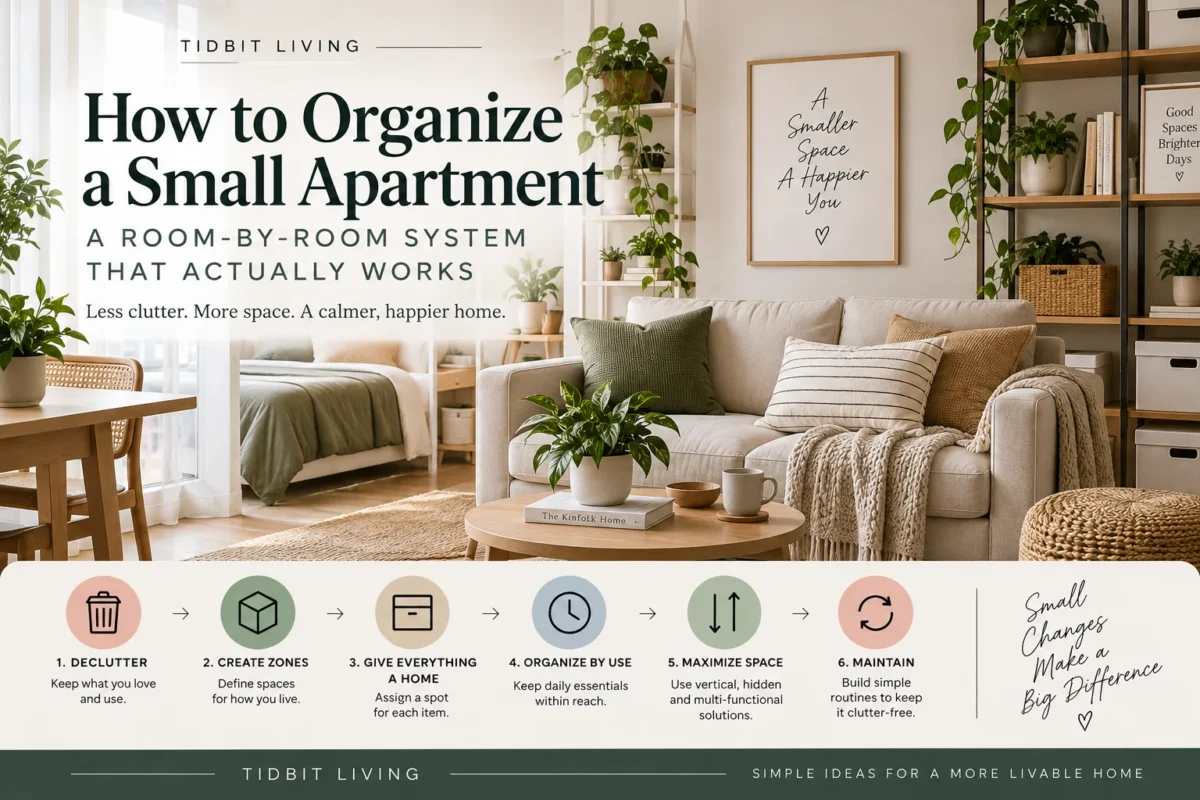
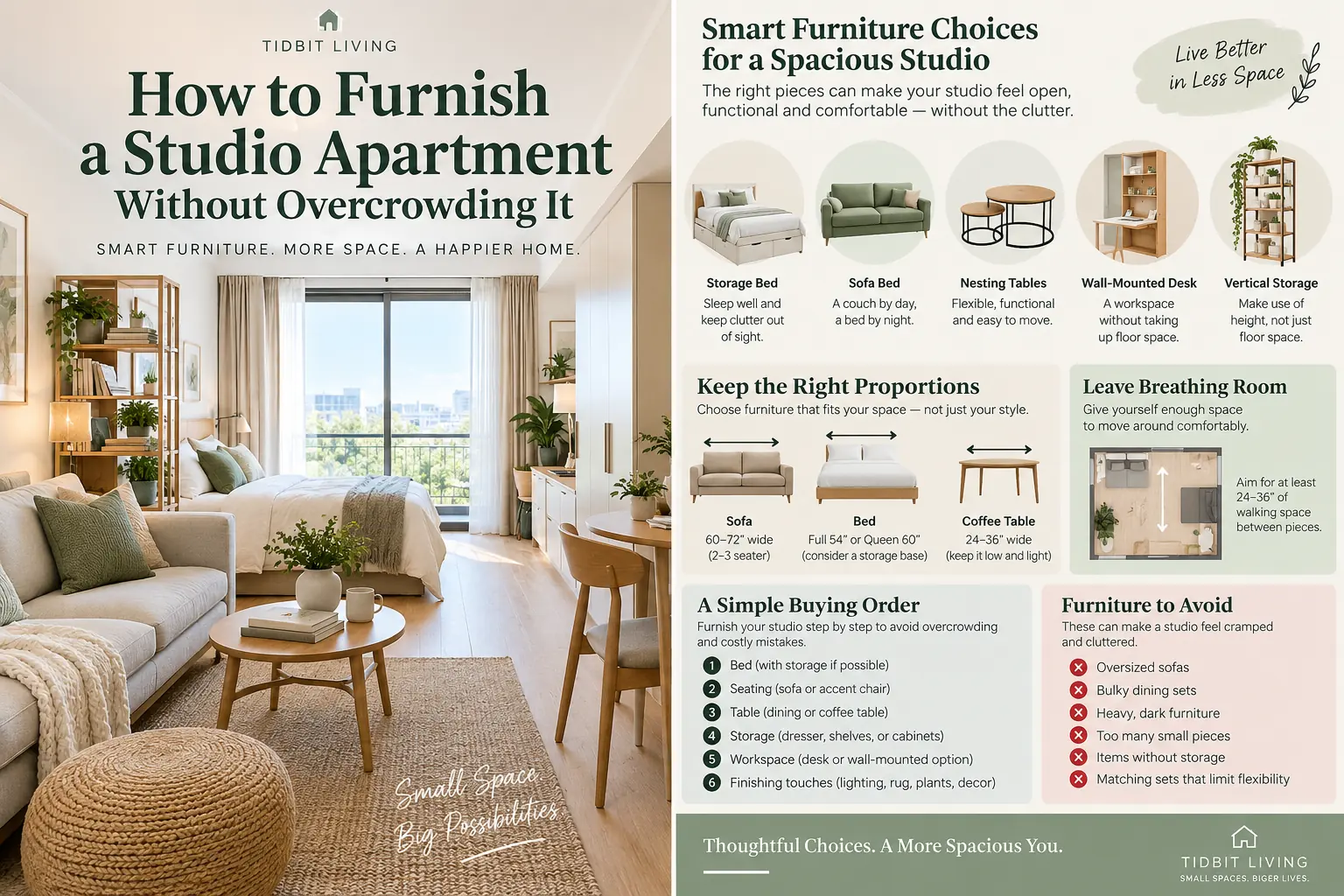

To furnish a studio apartment without overcrowding it, start with the few pieces that support your daily routine, size them to the room before you buy, and protect clear walking paths. In most studios, a comfortable bed, appropriately scaled sofa or lounge chair, one flexible table, and concentrated storage will work better than trying to fit a full-size version of every room into one space.
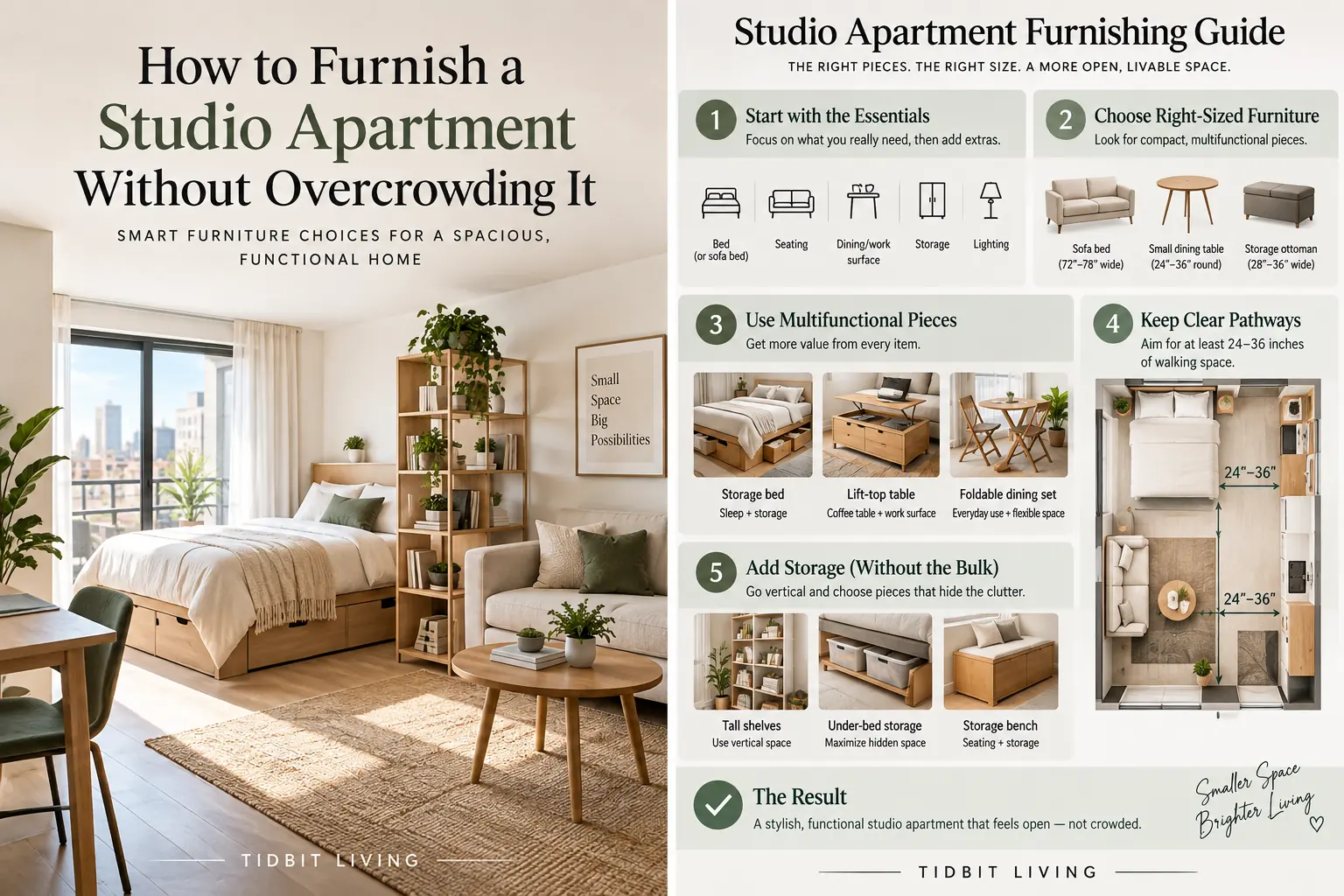
Tidbit Living Quick Visual: The Studio Furniture Rule
Anchor first → protect the path → add one flexible surface → use vertical storage → stop before the room is full.
Key takeaway: Empty floor area is functional space. You do not need to furnish every wall or corner.
Start With the Life You Actually Live in the Studio
Before shopping, decide which activities deserve permanent space. Someone who works from home needs a dependable desk surface. Someone who eats out most nights may need only a small two-person table. If you rarely host overnight guests, a bulky sleeper sofa may solve a problem you do not have.
If you are still deciding how the room itself should be divided, use our studio apartment layout ideas first. If you are new to this apartment type, our guide to what a studio apartment is explains the basic trade-offs of one-room living.
Make a three-level furniture list
| Priority | What belongs here | Examples |
|---|---|---|
| Must have | Supports something you do every day | Bed, clothes storage, primary seat |
| Useful | Earns space several times a week | Dining/work table, extra lamp, side table |
| Optional | Nice only if space remains | Accent chair, large coffee table, display cabinet |
Buy in that order. The optional list is where many studios become crowded.
Measure the Empty Room Before You Measure Furniture
A sofa can be “small” online and still be too large for your particular wall. Measure the usable wall lengths, door swings, radiator or HVAC clearances, window positions, outlets, kitchen cabinet openings, and the route from the entrance to the bathroom and bed.
Then use painter’s tape to mark the footprint of major pieces on the floor. Walk through the taped layout for a day if possible. Open drawers. Pull out a chair. Pretend to carry laundry across the room. This catches crowding that a floor plan alone can miss.
Tidbit Living Quick Visual: Measure Before You Buy
| 1. Mark | Doors, windows, outlets and fixed cabinets |
| 2. Tape | The bed and sofa footprints on the floor |
| 3. Walk | Your normal routes between entry, kitchen, bath and bed |
| 4. Test | Drawer, chair and cabinet clearance |
| 5. Buy | Only after the taped room still feels easy to use |
Key takeaway: Furniture dimensions matter most in relation to circulation, not as isolated numbers.
Choose a Bed Strategy Before the Sofa
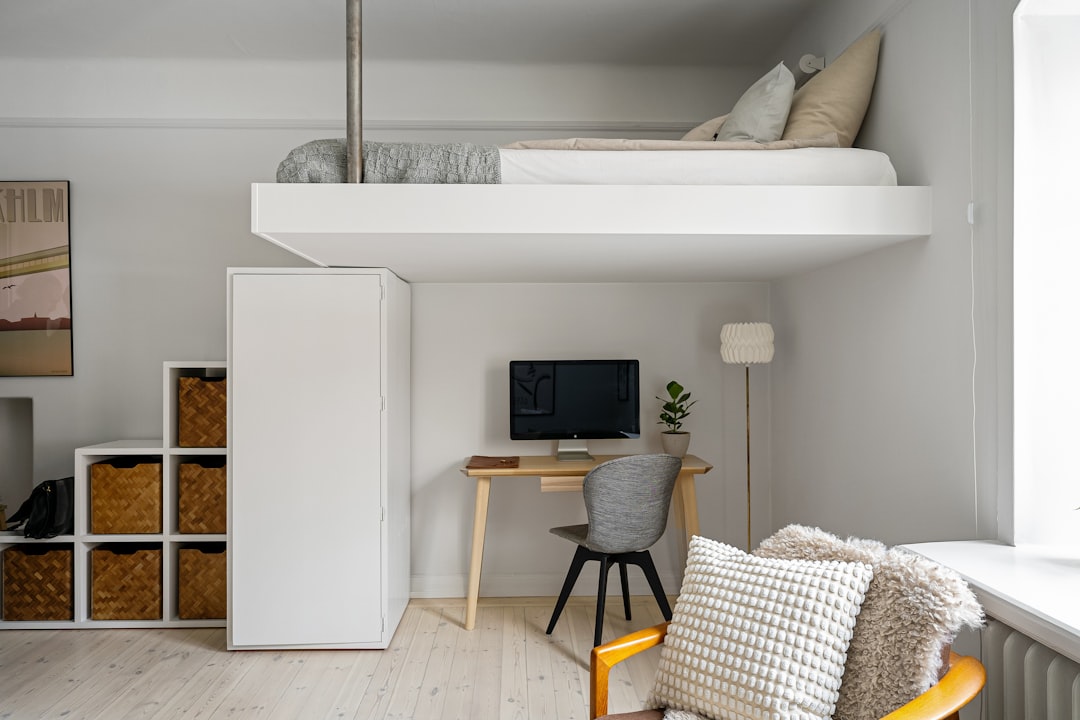
The bed is usually the largest single footprint in a studio, so settle it first. A standard bed is often the simplest and most comfortable choice when you have a workable sleeping corner. A daybed can make sense when the same zone genuinely needs to function as daytime seating. A loft bed can reclaim floor area when ceiling height, ladder access and your daily habits make it practical.
Do not automatically buy a complicated transforming bed just because the apartment is small. A piece that requires daily lifting, folding or clearing can become annoying enough that you stop using the transformation.
Buy a Sofa for the Wall You Have, Not the Living Room You Imagine
In a studio, sofa depth can matter as much as width. An oversized deep sofa may leave enough wall space but push too far into the central circulation zone. Look at the complete footprint, including arms, chaise sections and the space needed to walk around it.
A compact two-seat sofa often gives a better balance than a large sectional. If you live alone and mostly read or stream from bed, one comfortable lounge chair plus an ottoman may be enough. The right answer is the smallest seating setup that comfortably supports your real routine.
When a sectional makes sense
A small sectional can work when it replaces both a sofa and an extra chair, fits tightly into a defined corner, and does not interrupt the main walking route. Avoid buying one simply because the chaise appears to create more seating; in a narrow studio, that projection can become a permanent obstacle.
Use One Table for More Than One Job
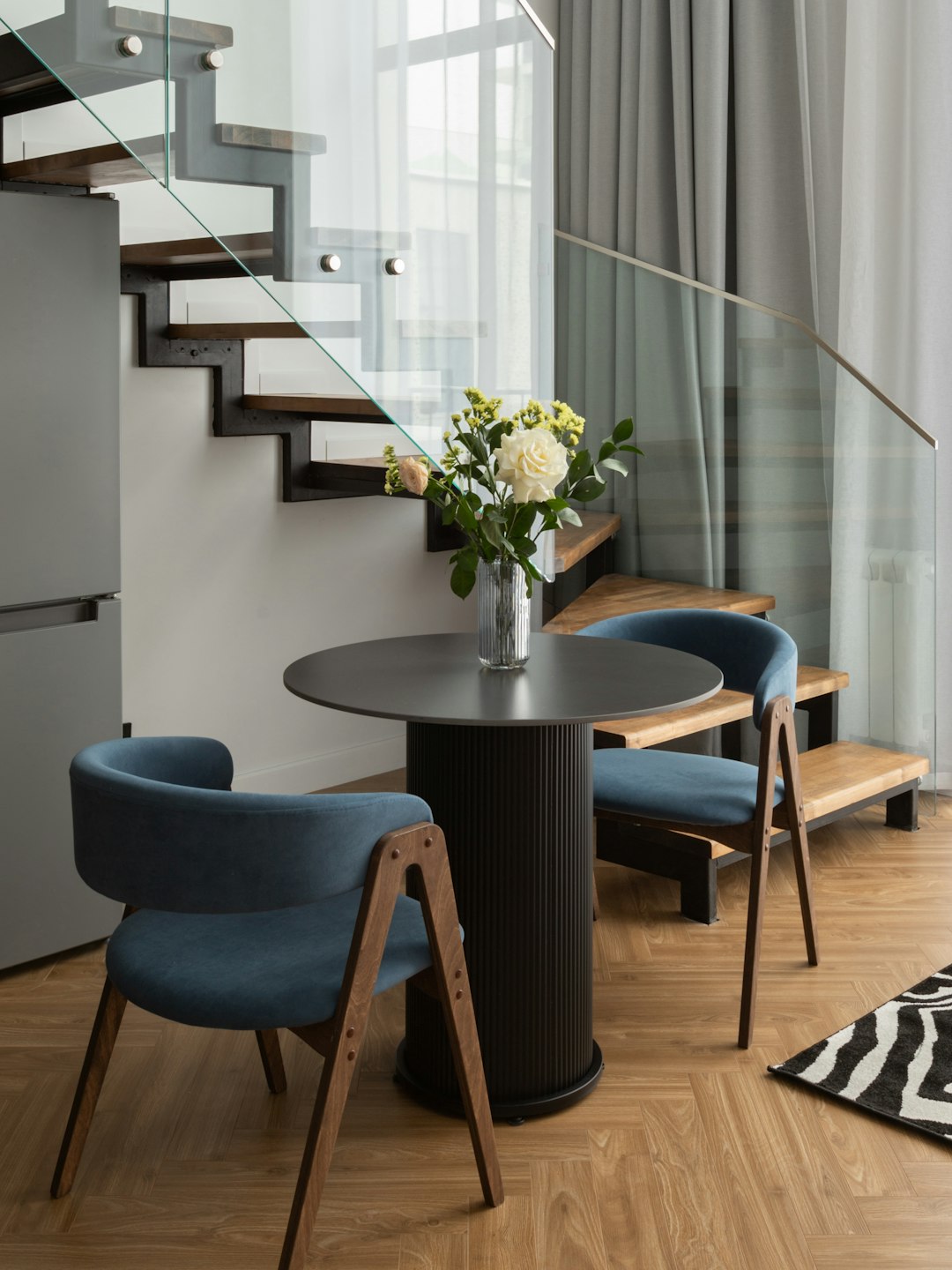
A studio rarely needs a separate dining table, desk, console and craft table. Choose one surface that can handle two or three of those jobs. A small round dining table can be especially forgiving in a tight circulation zone because there are no sharp corners projecting into the path.
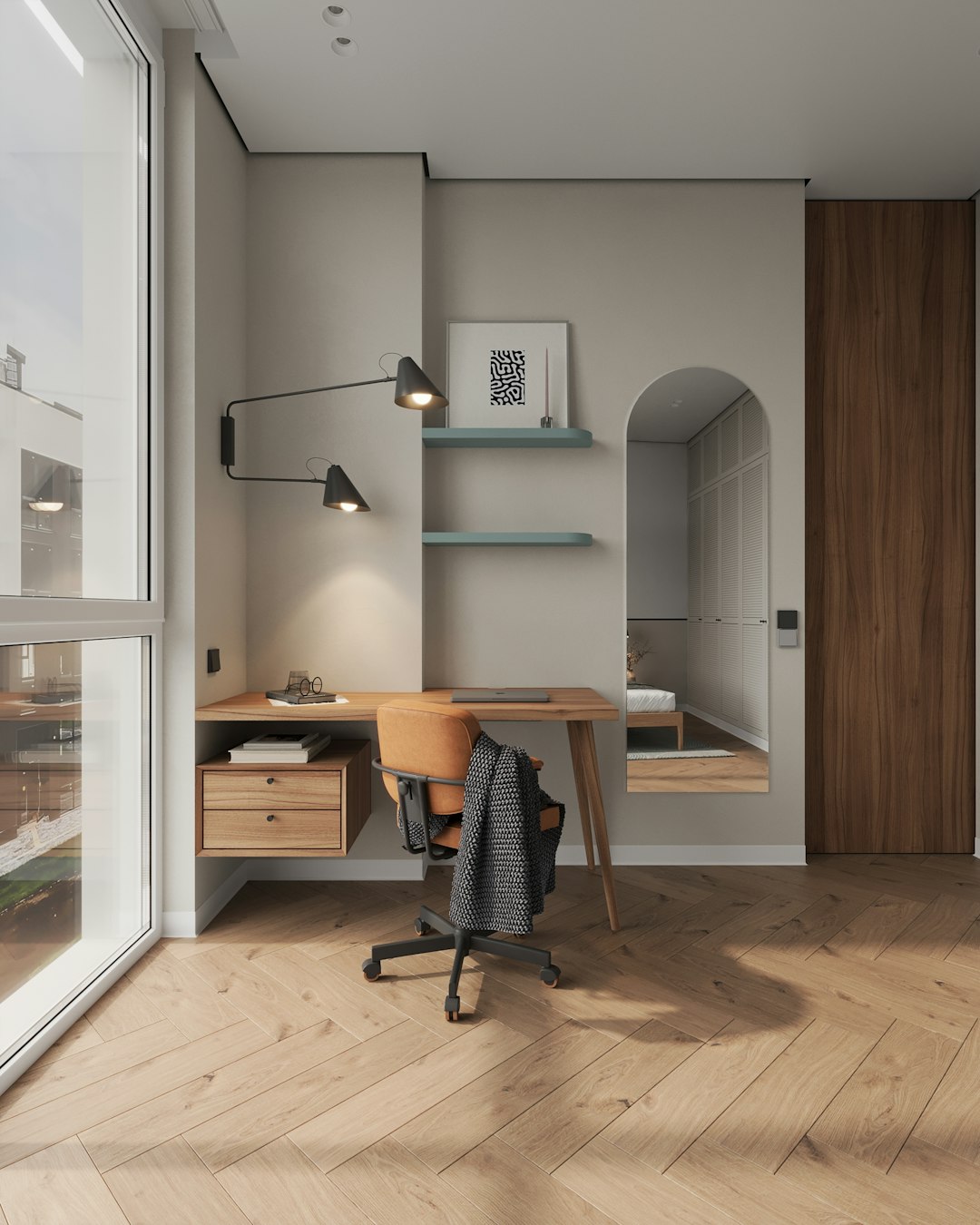
If you work from home every day, ergonomics may justify a dedicated desk. Keep it compact and give it a clear job rather than letting it become another general-purpose surface that collects clutter.
Concentrate Storage Instead of Scattering It Around the Room
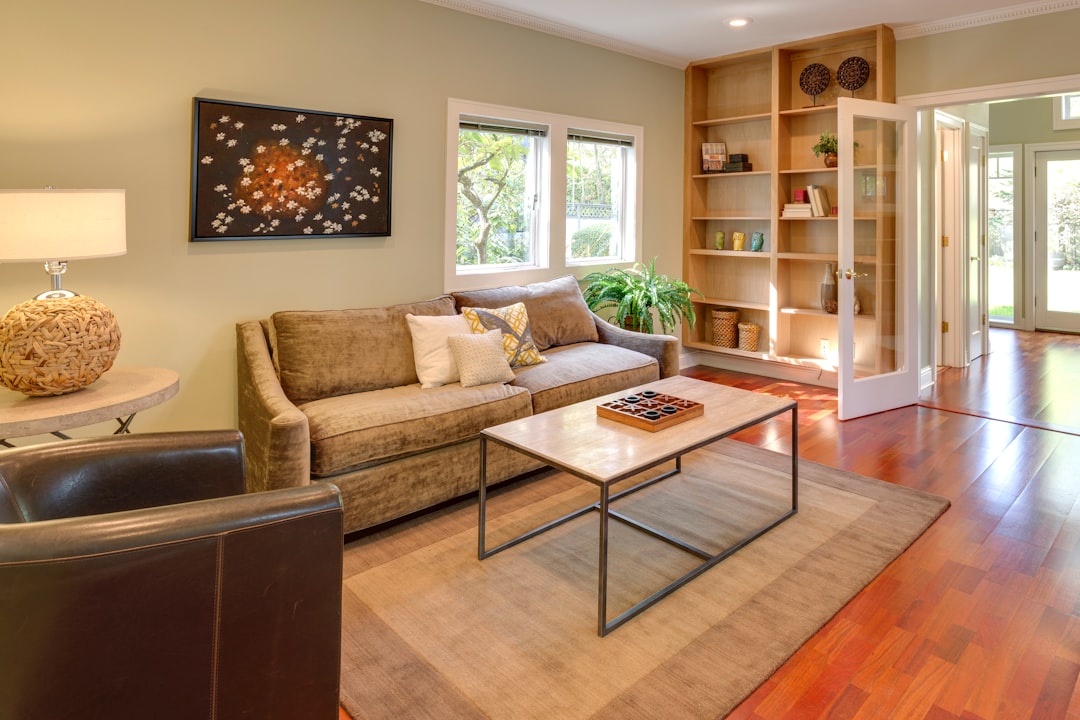
Five small storage pieces can make a studio feel more crowded than one larger, well-planned storage wall. Whenever possible, consolidate books, media, baskets and closed storage along one wall or within one zone. Use height before adding another footprint.
Closed storage is useful for visually noisy items; open shelves work better for objects you use often or genuinely want to display. For more ideas, see our guide to the best storage solutions for small apartments.
Pick Multifunctional Furniture Only When Both Functions Are Useful
“Multifunctional” is not automatically space-saving. A storage ottoman is useful if you need both a footrest or extra seat and concealed storage. A lift-top coffee table is useful if you actually work or eat from it. A bench with storage is useful if it replaces both entry seating and a shoe cabinet.
But a clever piece that is uncomfortable, difficult to operate or rarely transformed still consumes floor space. Judge it as furniture first and as a mechanism second.
Tidbit Living Quick Visual: Multifunctional Furniture Test
Buy it if: both functions happen regularly, the conversion takes seconds, and it replaces another piece.
Skip it if: one function is theoretical, the mechanism needs the room cleared first, or it is less comfortable than a simpler option.
Key takeaway: A two-in-one piece saves space only when it truly eliminates a second footprint.
Keep the Center of the Studio Visually and Physically Lighter
One of the easiest ways to make a studio feel crowded is to fill its center with furniture. Whenever the room allows it, keep the main route through the apartment open and push storage toward walls. Furniture can float to create zones, but it should do so intentionally rather than creating a maze.
Leggy furniture can reveal more floor and make the room feel lighter, but do not treat this as a rigid design rule. A closed-base bed with substantial hidden storage may be more valuable than visible floor underneath it.
Be Careful With “Apartment-Size” Furniture
Marketing labels are not measurements. Check width, depth, height and clearance for every major piece. Also check delivery dimensions: a sofa that fits the room can still fail to fit through the building entrance, elevator, stairwell or apartment door.
For a broader room-by-room furnishing process, see how to furnish a small apartment. The studio-specific difference is that every major piece remains visible from most of the room, so scale and visual consistency matter more.
What to Buy First for a Studio Apartment
| Order | Buy | Why |
|---|---|---|
| 1 | Bed + mattress | Largest footprint and daily necessity |
| 2 | Essential clothes/storage solution | Prevents everyday clutter before it spreads |
| 3 | Primary seating | Defines the living zone |
| 4 | Dining/work surface | Add only the surface your routine requires |
| 5 | Lighting | Improves each zone without much floor area |
| 6 | Small supporting pieces | Side table, ottoman or extra chair only after testing the layout |
| 7 | Decor | Finish the room after function and circulation work |
Furniture That Often Overcrowds a Studio
- Oversized sectionals: especially deep models with a chaise in the main path.
- Large coffee tables: they occupy valuable center-floor space for a limited function.
- Matching furniture sets: buying every piece in a collection ignores the actual room.
- Extra accent chairs: useful only if people regularly sit in them.
- Wide low storage everywhere: it consumes wall length and floor area that taller storage could preserve.
- Large dining sets: four to six chairs are rarely justified for one or two residents unless hosting is a priority.
Choose Your Furniture Plan: 3 Real-Life Studio Scenarios
If you work from home five days a week
Give the desk a permanent, ergonomic position and let the dining function stay flexible. Choose a compact sofa, use a dining table only if it can double as extra work surface, and prioritize closed storage for office supplies so work does not visually take over the room after hours.
If you host friends often
Spend more of the floor-space budget on seating, but make it flexible: a compact sofa plus two lightweight stools or an ottoman is often easier than a large sectional. Choose nesting or movable tables and keep the central route open so extra seats can be pulled in only when needed.
If your studio is extremely small
Start with the bed, one comfortable seat, one table surface and vertical storage. Skip the coffee table and extra chair initially. After two weeks, add only the piece whose absence is creating a repeated problem.
Do this before checkout: write the furniture dimensions on painter’s tape, mark every footprint, then photograph the taped room from the entry. If the photo already looks visually packed—or you have to turn sideways to pass—reduce a footprint before buying.
A 30-Minute Studio Furniture Plan
- Minutes 0–5: Write your five most common at-home activities.
- Minutes 5–10: Mark fixed elements and the main walking route.
- Minutes 10–15: Choose the bed location and maximum footprint.
- Minutes 15–20: Set maximum sofa/seating dimensions.
- Minutes 20–25: Decide whether one table can cover dining and work.
- Minutes 25–30: Choose one primary storage zone and remove optional furniture from the plan.
Tidbit Living Quick Visual: The Final Overcrowding Check
- Can you walk from the entrance to the bathroom and bed without sidestepping furniture?
- Can chairs, drawers and cabinet doors open normally?
- Does every floor-standing piece have a regular job?
- Is at least one major surface intentionally left clear?
- Could removing one optional piece make the room noticeably easier to use?
Key takeaway: If the room works better after removing a piece, that piece was not earning its footprint.
Common Studio Furnishing Mistakes
Buying everything before moving in
Live in the room long enough to discover where you naturally eat, work, drop your bag and need storage. A studio exposes bad assumptions quickly.
Choosing only tiny furniture
A room full of undersized pieces can feel busy and fragmented. A few appropriately scaled anchors often look calmer than many miniature items.
Pushing every piece against a wall
This can create an undefined empty center rather than useful zones. Sometimes floating a sofa or narrow shelf is exactly what gives the room structure.
Ignoring visual clutter
Even when furniture technically fits, too many different finishes, exposed storage systems and small objects can make one-room living feel chaotic. Repeat a limited set of materials and give everyday clutter a home.
Frequently Asked Questions
What furniture do you really need in a studio apartment?
Most people need a comfortable sleeping setup, clothes storage, primary seating, lighting and at least one useful surface for eating or working. Beyond that, the list should reflect your routine rather than a conventional living-room or bedroom checklist.
Should I get a sofa or a bed for a studio?
Prioritize sleep quality. If a normal bed and compact sofa fit without blocking circulation, you can have both. If they do not, consider a daybed, sleeper solution or one excellent lounge chair depending on how you use the room.
Is a sectional too big for a studio apartment?
Not always. A compact sectional can work when its full depth and chaise fit a defined corner and it replaces other seating. Tape the complete footprint on the floor before buying.
How can I add storage without making my studio feel smaller?
Concentrate storage on fewer walls, use vertical space, mix closed storage with selective open shelving, and choose storage furniture that replaces another function where practical.
Should all studio apartment furniture be multifunctional?
No. Multifunctional furniture is useful only when both functions are genuinely needed and easy to use. Simple, comfortable furniture with the right dimensions can be more space-efficient than complicated transformable pieces.
Final Thoughts
The best way to furnish a studio apartment without overcrowding it is to treat floor space as a limited budget. Spend that budget first on sleep, seating, storage and the surfaces you use every day. Measure complete furniture footprints, preserve circulation, consolidate storage and delay optional purchases until you have lived with the core setup.
A studio does not need to imitate a separate bedroom, dining room, office and living room with a full furniture set for each. It needs a small number of pieces that let one room perform those jobs comfortably.