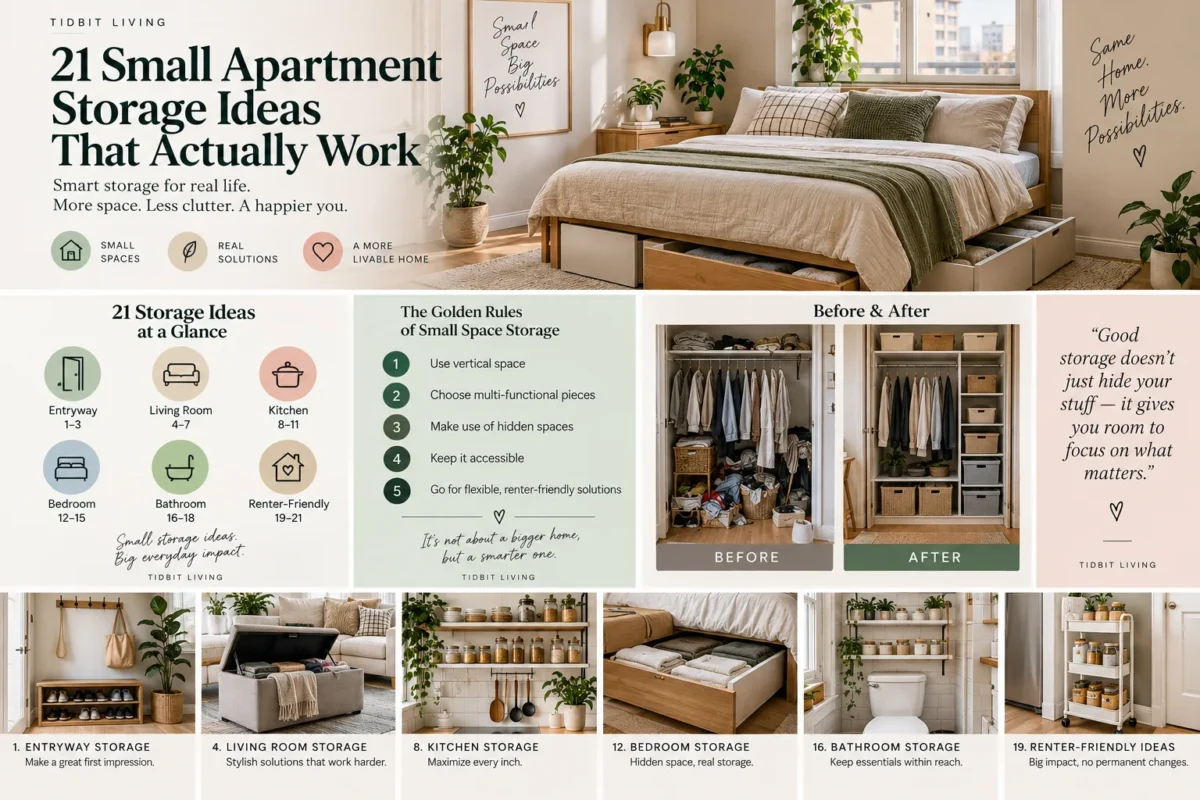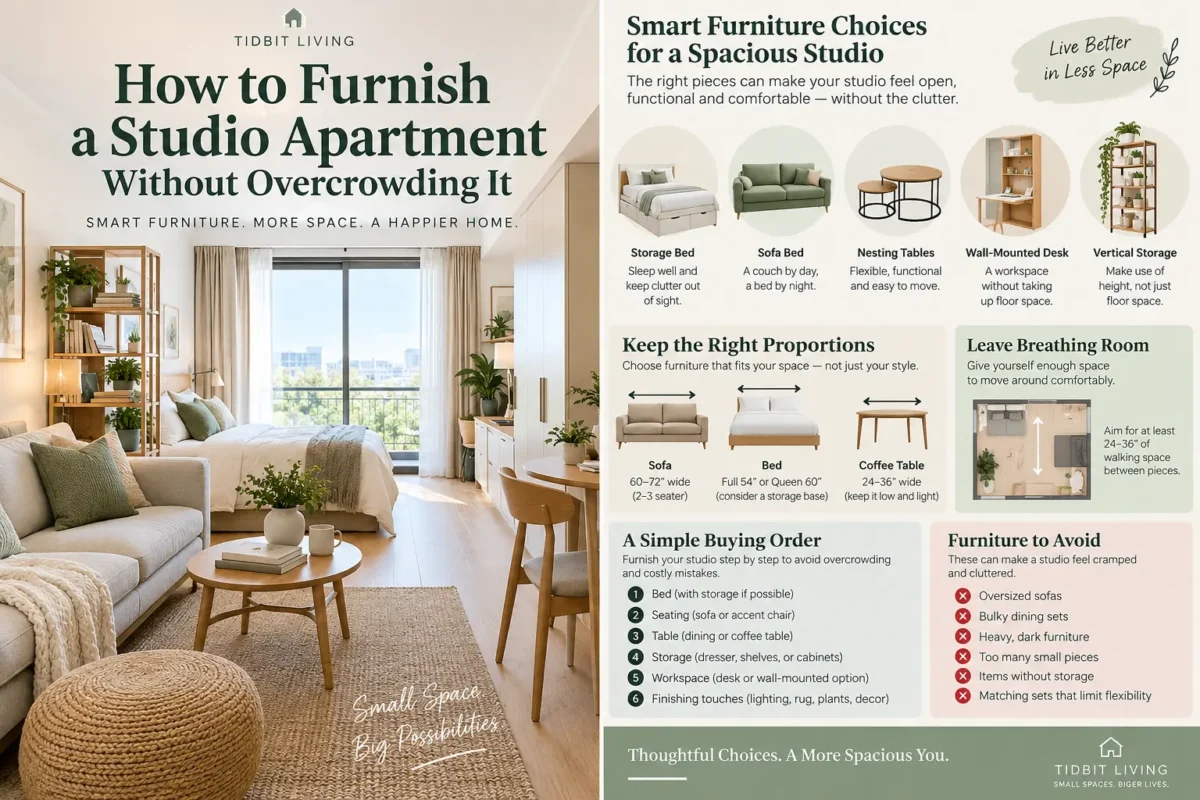
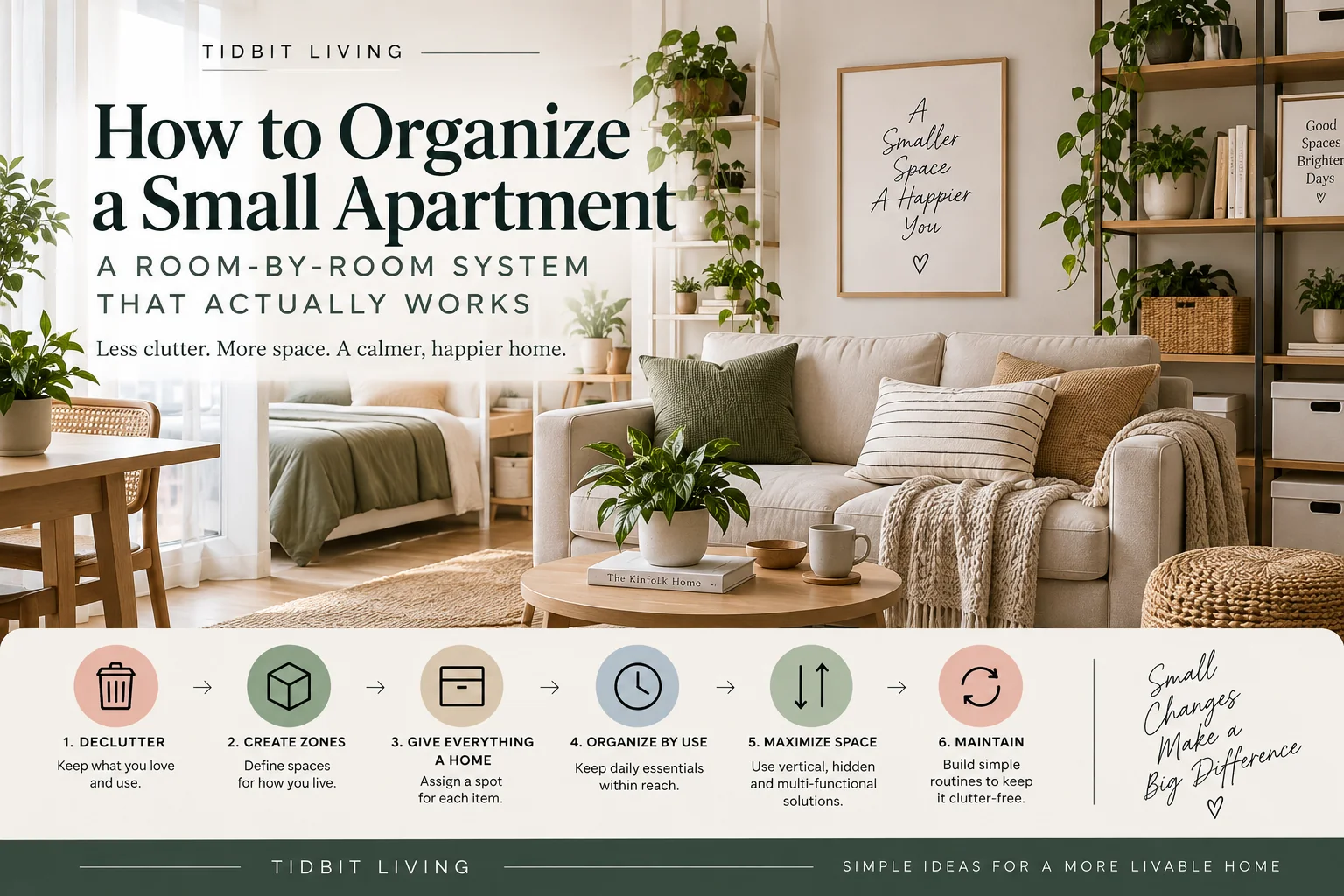

Learning how to organize a small apartment is less about buying more organizers and more about giving every square foot a clear job. The most reliable system is simple: reduce what the apartment has to hold, divide the home into functional zones, assign every item a permanent home, keep frequently used things easiest to reach, use overlooked space deliberately, and build a short reset routine that prevents clutter from returning.
This guide walks through that system room by room. It is designed for renters, studios, one-bedroom apartments, and other compact homes where one misplaced pile can make the whole space feel chaotic.
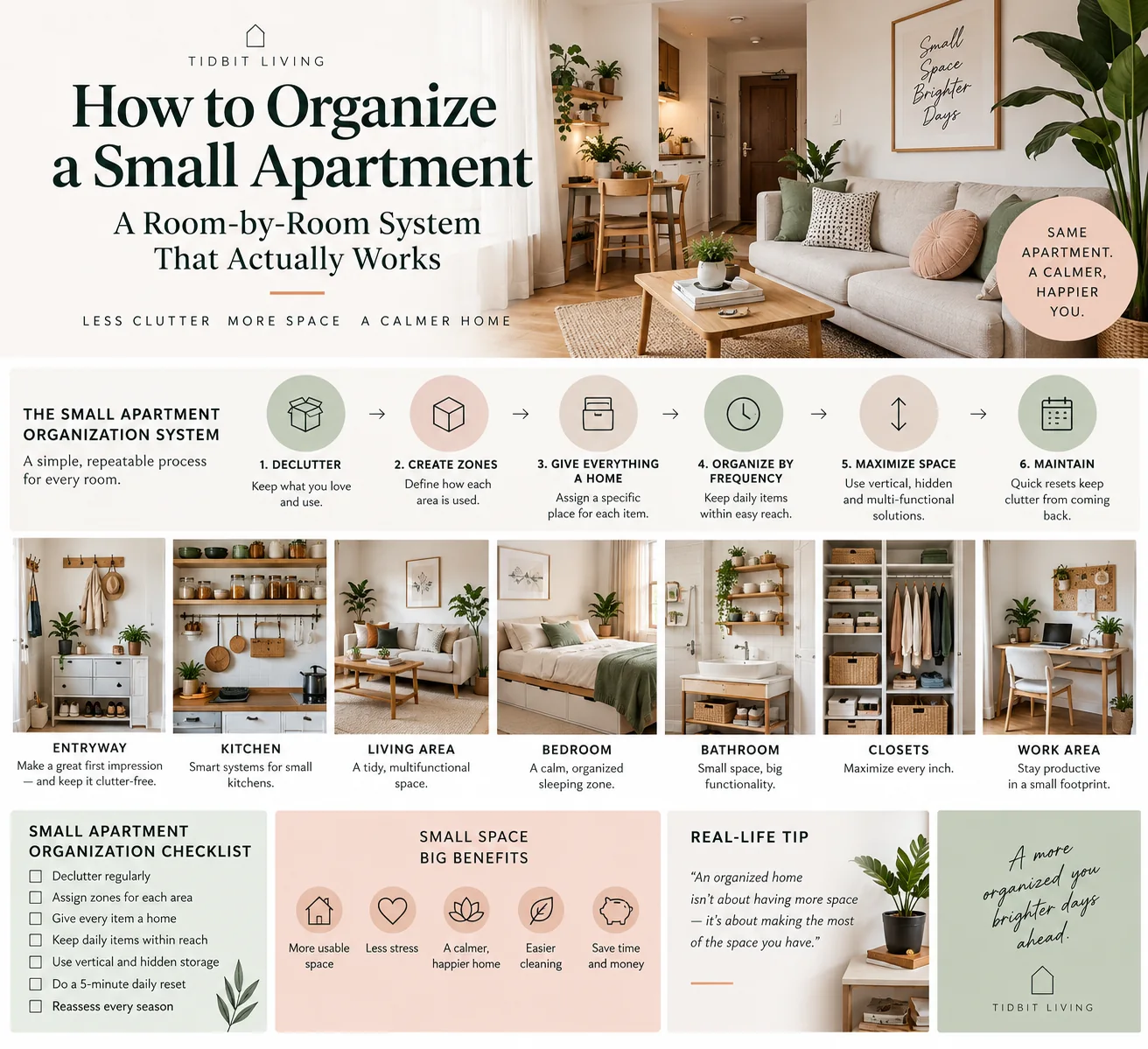
- Declutter: reduce what the apartment must store.
- Zone: decide what each area is for.
- Assign: give every item a specific home.
- Prioritize: put daily-use items within easiest reach.
- Maximize: use vertical, hidden, and overlooked space.
- Maintain: reset the apartment before clutter spreads.
Start by Decluttering Before You Organize
A small apartment becomes difficult to organize when the volume of belongings exceeds the space available. Adding bins to an overloaded room often just turns visible clutter into containerized clutter.
Start with one small category rather than emptying the entire apartment. Try shoes, mugs, bathroom products, paperwork, or clothes you have not worn recently. For each item, ask whether you use it, need it, or genuinely want to give it space in a compact home.
Use the container limit
Let the available space set the limit. If everyday shoes must fit on one rack, the rack is the boundary. If spare linens have one shelf, keep the best set that fits comfortably instead of creating overflow somewhere else.
| Category | Useful limit | What to remove first |
|---|---|---|
| Entryway | Current-season essentials | Unused bags, extra shoes, old mail |
| Kitchen | Items used regularly | Duplicates, expired food, specialty tools never used |
| Bathroom | Products in active rotation | Expired and abandoned products |
| Closet | What fits without forcing | Poor-fit, damaged, duplicate clothing |
Create Zones So Every Part of the Apartment Has a Job
After reducing excess, decide what activities happen where. In a small apartment, one room may support several activities, but each activity still needs a defined zone. A living room might contain a relaxation zone, work zone, and dining zone without requiring walls between them.
If you live in one open room, our studio apartment layout ideas guide goes deeper into creating functional zones without making the room feel boxed in.
Stand in each part of your apartment and finish this sentence: “This area is where I ___.” If you cannot answer clearly—or the answer includes five unrelated activities—the zone probably needs simplifying.
Organize the Entryway to Stop Clutter at the Door
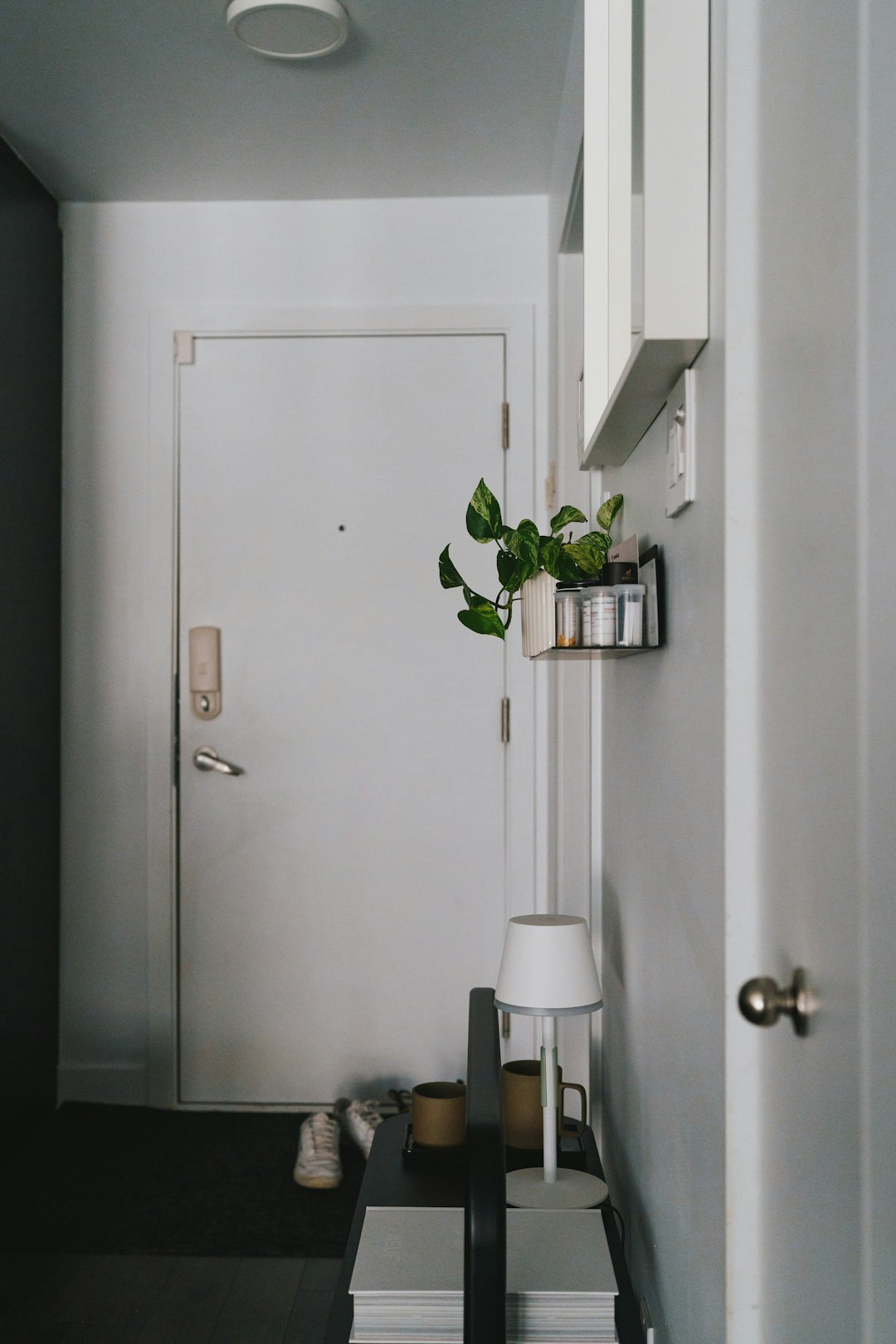
The entry is a small apartment’s first defense against clutter. Keys, shoes, bags, packages, coats, and mail arrive here, so create a landing spot before those items migrate to the dining table or sofa.
Keep only current-season shoes near the door. Add a small tray or hook for keys, one defined place for bags, and a temporary inbox for mail that gets emptied regularly. If there is no formal entryway, a narrow strip of wall beside the door can perform the same job.
A practical entryway setup
- Hooks for the bags and jackets used most often.
- A compact shoe rack or tray with a fixed capacity.
- A small catchall for keys and earbuds.
- One paper inbox rather than several loose piles.
- A basket for items that need to leave the apartment.
Organize a Small Kitchen by Frequency of Use
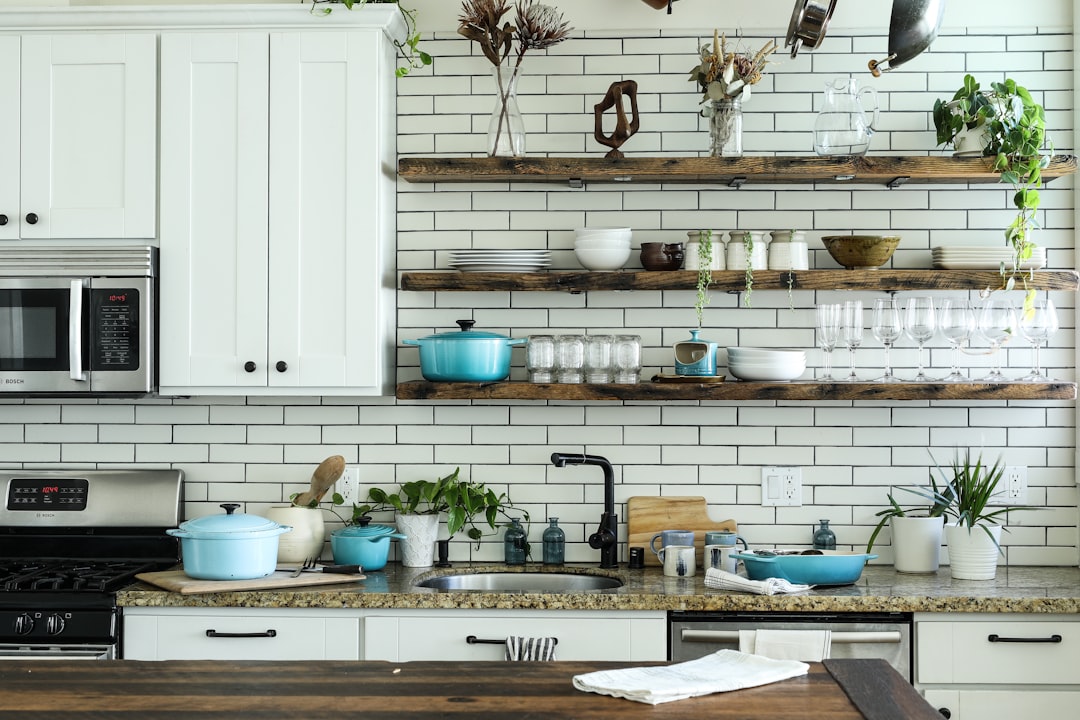
Kitchen organization works best when storage location reflects frequency. Everyday plates, glasses, pans, and ingredients should require the fewest movements. Rarely used appliances and entertaining pieces can go higher or farther away.
Think in three access levels: daily reach, weekly reach, and occasional storage. This prevents prime cabinet space from being occupied by something you use twice a year.
Reduce duplicate functions
Compact kitchens become crowded with tools that perform nearly identical jobs. Before adding another organizer, compare what you own. One versatile pan may deserve easy access more than three specialty pans. The same principle applies to utensils, containers, mugs, and appliances.
Use cabinet doors and vertical gaps carefully
Door-mounted organizers, shelf risers, magnetic storage, and narrow vertical dividers can recover unused space, but only add them where they solve a specific problem. The goal is easier access, not filling every empty inch.
Organize the Living Room Around Daily Activities
Start with what you actually do in the living room. Watching television, reading, hosting friends, exercising, and working from home create different storage needs. Keep the objects supporting those activities near the zone where they are used.
For example, store chargers near the seat where devices are charged, blankets near the sofa, and exercise equipment near the place where you actually have enough floor space to use it.
If furniture itself is consuming too much space, use our small apartment furnishing guide rather than trying to solve a furniture-scale problem with organizers.
Activity → object → nearest sensible home.
Reading → books → shelf beside reading chair.
Charging → cables → drawer beside outlet.
Exercise → mat → vertical slot near open floor area.
Working → laptop and notebook → desk drawer or portable work box.
Organize the Bedroom or Sleeping Zone for a Calmer Reset
The sleeping area benefits from having less visible inventory than almost any other part of a small apartment. Start with bedside surfaces. Keep only what you routinely use before sleep or immediately after waking.
Use under-bed storage for items that are suitable for longer-term or seasonal storage—not as a hiding place for miscellaneous objects. Label containers so you do not have to pull everything out to remember what is there.
Separate worn-again clothes from clean clothes
One common source of bedroom clutter is clothing that is not clean enough for the closet but not ready for laundry. Give it a defined location: one hook, a small valet rail, or a dedicated section of a hamper. A deliberate in-between zone prevents the chair from becoming permanent clothing storage.
Make a Small Closet Easier to Use, Not Just Fuller
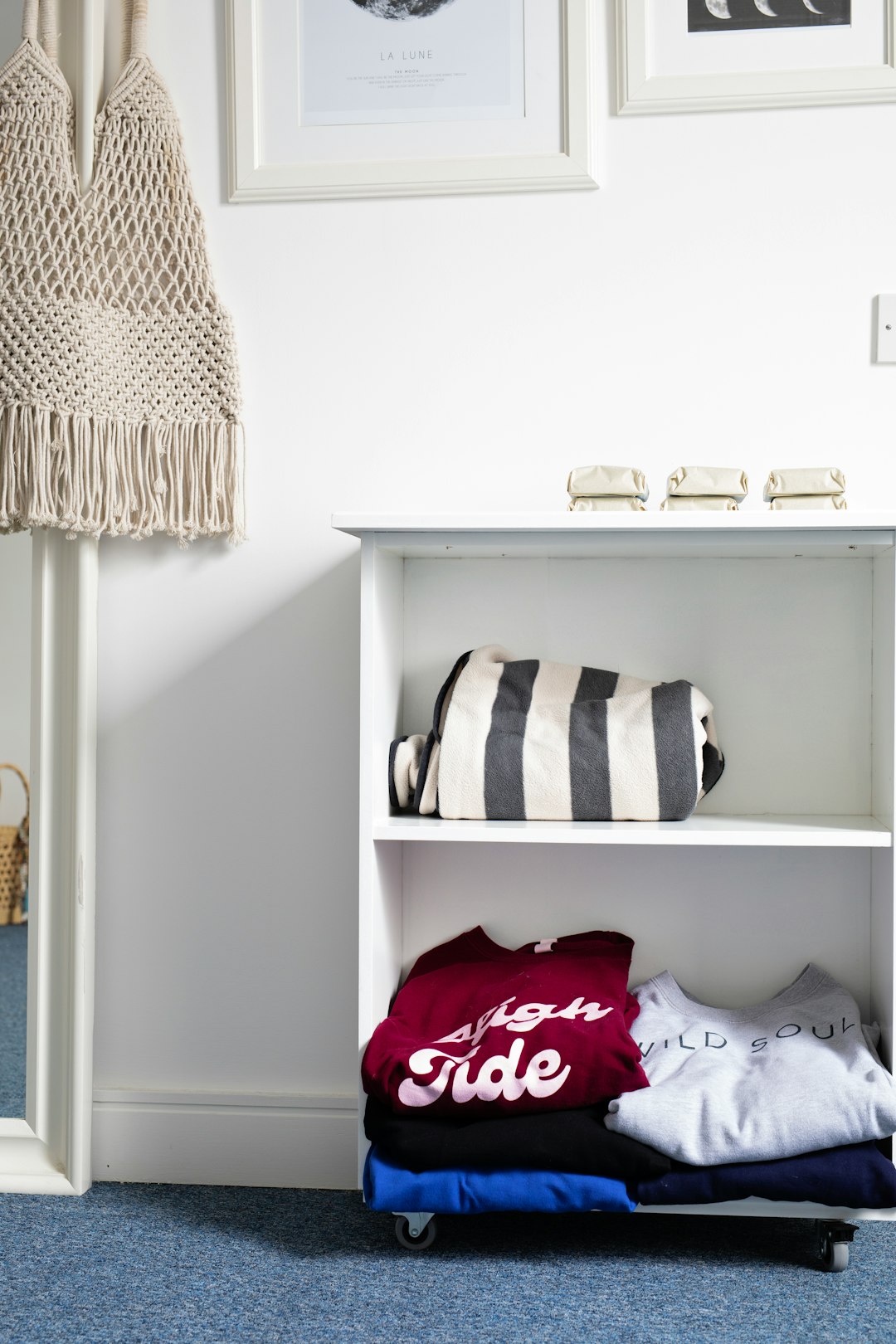
The goal of closet organization is not maximum density. It is being able to see, retrieve, and return items without dismantling the system.
Group similar items together, then place the most frequently worn pieces between roughly waist and eye level. Use upper shelves for less-frequent items and the floor for categories that can be contained neatly.
Leave some breathing room
If every hanger is compressed and every shelf is packed to its edge, maintaining the closet becomes difficult. A little unused capacity is functional space: it lets you put laundry away quickly and see what you own.
Organize a Small Bathroom by Routine
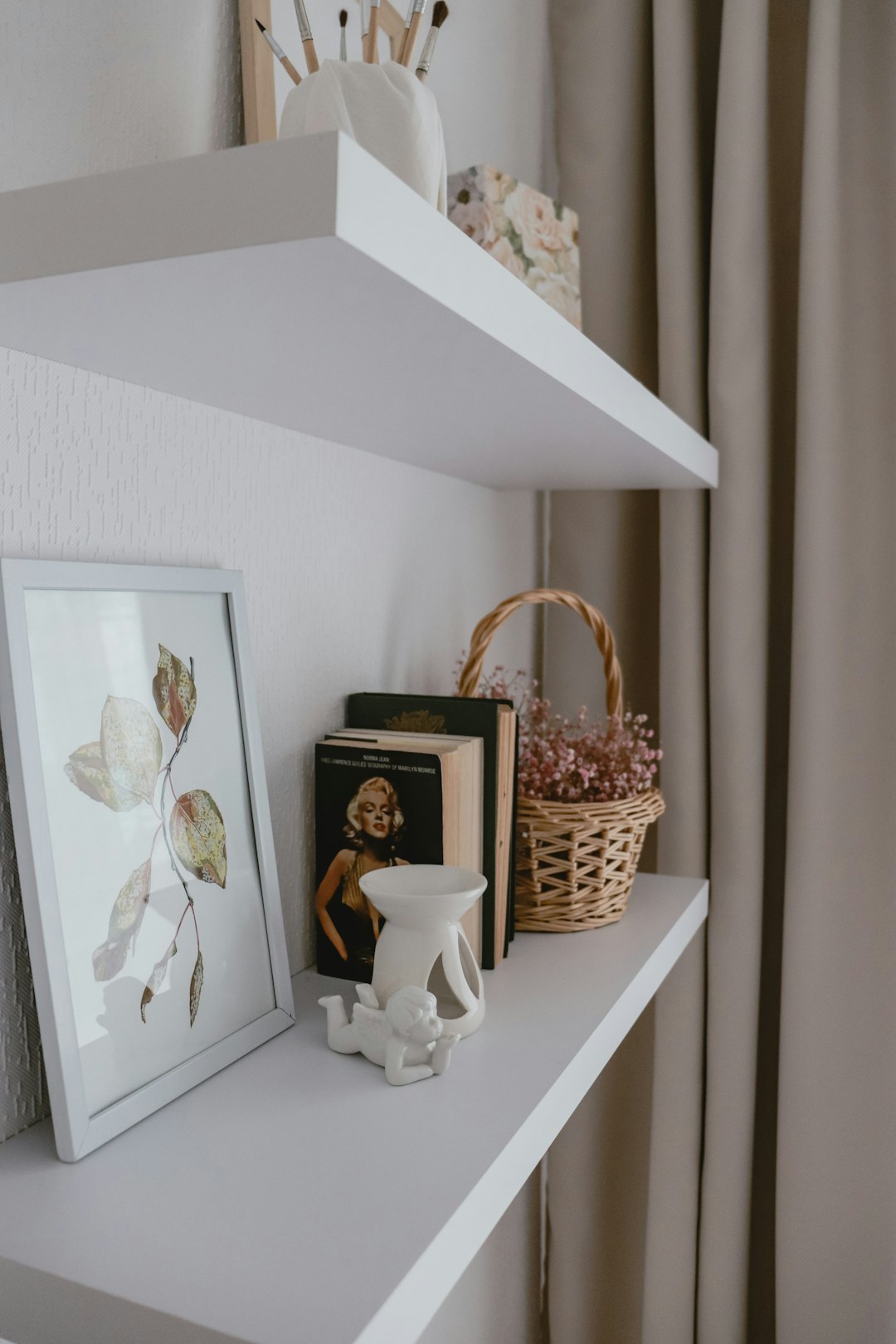
Bathrooms collect small products quickly. Divide yours into routine-based groups: daily dental care, daily skincare, shower products, grooming, medicine, backups, and cleaning supplies.
Keep daily items easiest to reach and move backups away from prime counter space. If you buy multiples, establish one backup zone rather than scattering extras among several cabinets.
Protect the counter from permanent clutter
A clear or nearly clear counter makes a small bathroom feel more orderly immediately. Use one tray for the few products that genuinely need to remain out. Everything else should have a drawer, cabinet, shelf, or wall-mounted home.
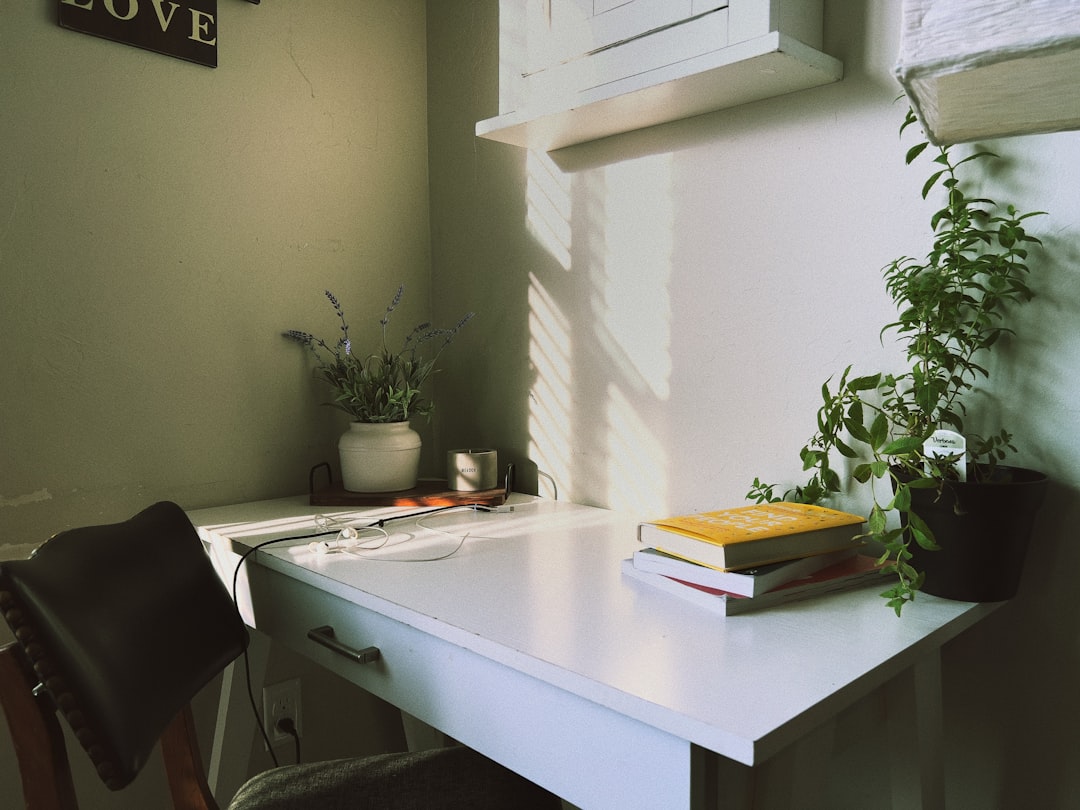
Create a Work-From-Home Zone That Can Close at the End of the Day
If you do not have a separate office, the organizational challenge is making work supplies available without allowing work to take over the apartment.
A compact desk with a drawer is ideal, but a dining table can also work if you create a portable work kit. Keep the laptop charger, notebook, pens, headphones, and other essentials in one box or basket. At the end of the workday, pack the kit away so the table returns to its other function.
Use Vertical and Hidden Storage After the Basics Are Working
Once every category has a home, look for underused space. The backs of doors, wall area above furniture, under-bed space, upper cabinet shelves, and narrow gaps can all help.
For more specific product and placement options, see our guide to the best storage solutions for small apartments. Organization should determine what needs storing first; storage products come second.
| Overlooked space | Good use | Avoid |
|---|---|---|
| Under bed | Seasonal clothes, spare linens | Random unsorted items |
| Back of doors | Shoes, accessories, cleaning tools | Heavy overloaded racks |
| Above cabinets | Rarely used lightweight items | Daily necessities |
| Wall space | Shelves, hooks, vertical organizers | Covering every wall with storage |
Label Only Where Labels Reduce Decisions
Labels are useful when several people share a home, containers are opaque, or categories are easy to confuse. They are less useful when they simply add visual noise. A labeled bin should answer a real question: “Where does this go?”
Use broad categories that are easy to maintain. “Cables” is often more sustainable than five tiny containers separated by device type. An organization system succeeds when returning an item takes only a few seconds.
Build a Daily Reset Instead of Reorganizing Every Weekend
The best small-apartment organization system is one you can restore quickly. Because compact homes have fewer surfaces, a handful of misplaced objects can make the entire apartment look cluttered. The upside is that a short reset can also transform it quickly.
- Return shoes, coats, and bags to the entry zone.
- Clear the kitchen counter and dining surface.
- Put living-room items back at their point of use.
- Move clothing to closet, worn-again zone, or laundry.
- Reset the bathroom counter.
- Put away the work kit and collect anything that belongs in another zone.
A 60-Minute Small Apartment Organization Plan
If the apartment feels overwhelming, do not start with a full-home makeover. Use one focused hour to create visible improvement.
- Minutes 0–10: collect obvious trash, recycling, and items that need to leave the apartment.
- Minutes 10–20: reset the entryway and create homes for keys, shoes, bags, and mail.
- Minutes 20–30: clear kitchen counters and relocate anything that does not support cooking or dining.
- Minutes 30–40: reset the living area and create one clear home for chargers, remotes, and everyday accessories.
- Minutes 40–50: clear the sleeping area and resolve clothes on chairs or floors.
- Minutes 50–60: choose the single storage category causing the most friction and fix only that category.
Common Small Apartment Organization Mistakes
Buying organizers before decluttering
This increases the amount of stuff the apartment is expected to hold. Reduce first, measure second, buy last.
Using every available inch
Maximum storage is not the same as good organization. Leave enough open space to retrieve and return items easily.
Creating categories that are too specific
A system with dozens of tiny categories takes too much effort to maintain. Use the simplest category that still makes retrieval easy.
Storing items far from where they are used
If you repeatedly leave something out, its assigned home may be inconvenient. Move the storage closer to the activity instead of blaming yourself for not maintaining the system.
Treating visible surfaces as storage
Dining tables, counters, chairs, and the top of a dresser easily become default landing zones. Decide what is allowed to live permanently on each surface and relocate everything else.
How to Know Whether Your Organization System Is Working
A successful system should make everyday life easier, not merely look good immediately after organizing. Test it for a week and watch for repeated friction.
- Can you find daily items without searching?
- Can you put them away in one or two movements?
- Can counters and floors be reset in about 10 minutes?
- Are drawers and closets easy to open without shifting things?
- Do incoming items have a temporary landing place?
- Can you see what you own well enough to avoid unnecessary duplicates?
If the answer is no, simplify the system before buying another organizer.
Frequently Asked Questions
How do you organize a small apartment with too much stuff?
Reduce the volume before adding storage. Work one category at a time, set a physical container limit, keep what fits comfortably, and remove duplicates or low-use items. Then assign the remaining items to zones based on where they are used.
How can I organize a small apartment without buying anything?
Start by decluttering, grouping similar items, moving frequently used objects closer to their point of use, clearing flat surfaces, and repurposing containers you already own. Many organization problems are location or volume problems rather than organizer problems.
Where should I start when my apartment is completely disorganized?
Start with trash and items that need to leave the home, then reset the entryway and one high-use surface such as the kitchen counter. After that, organize one category at a time instead of pulling everything out simultaneously.
How do I keep a small apartment organized every day?
Give every frequently used item an easy-to-reach home and perform a short daily reset. If an item repeatedly ends up in the same wrong place, redesign its storage location so putting it away becomes easier.
How do I make a small apartment feel less cluttered?
Reduce the number of objects left on visible surfaces, consolidate storage, keep walking paths open, and avoid filling every wall and shelf. For visual-space strategies beyond organization, see our small apartment decorating ideas.
Final Thoughts
Knowing how to organize a small apartment comes down to creating a home that is easy to reset. Declutter before adding storage, organize around real activities, keep daily items near their point of use, and leave enough breathing room for the system to function.
You do not need to organize the entire apartment in one day. Fix the area that creates the most daily friction, live with the solution for a week, and then move to the next zone. A small home becomes easier to manage when each improvement reduces the number of decisions you have to make tomorrow.