


The best couches for small apartments are not simply the shortest sofas you can find. A good small-space sofa has to do several things at once: fit the room, leave a workable walkway, get through the building, feel comfortable enough for daily use, and avoid wasting inches on oversized arms, unnecessary depth, or features you rarely use.
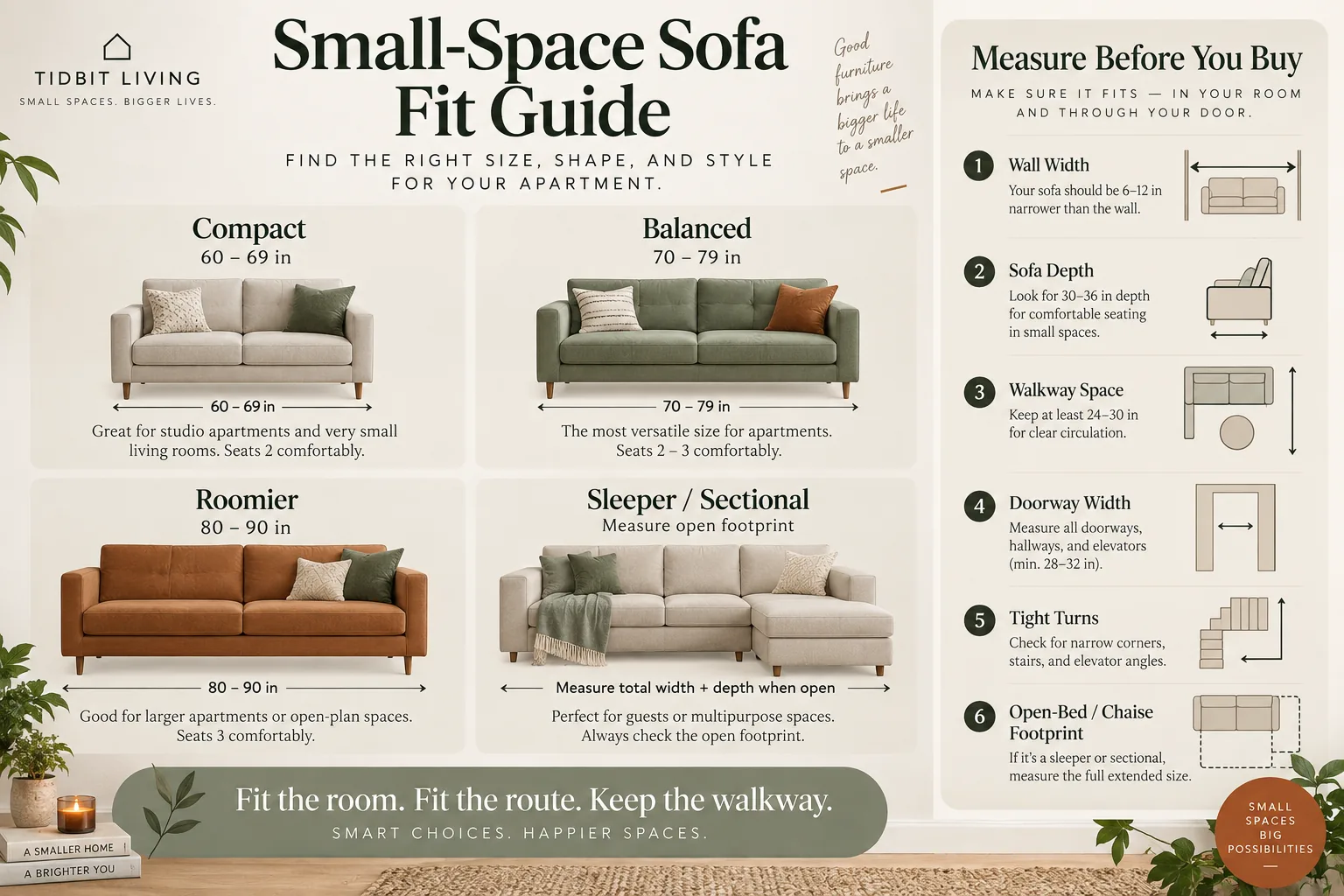
This guide is narrower than our broader best furniture for small apartments article. Here, we focus only on sofas: which types work best, how to compare dimensions, when sectionals and sleepers make sense, and which current models are worth putting on your shortlist.
What Makes a Couch Good for a Small Apartment?
Width matters, but it is only one part of the fit. A 72-inch sofa that is 45 inches deep can dominate a narrow living room more than an 80-inch sofa that is only 35 inches deep. The best choice depends on the shape of your room, your seating habits, and the delivery path.
| Feature | Why it matters in a small apartment | What to check |
|---|---|---|
| Overall width | Determines whether the sofa fits the main wall and leaves side clearance | Measure the wall plus nearby doors, radiators and outlets |
| Overall depth | Can make a narrow room feel blocked even when width is fine | Measure from wall to front edge and preserve the main walkway |
| Arm width | Thick arms consume seating width without adding seats | Compare outside width with actual seat width |
| Seat depth | Affects comfort and how far the sofa projects into the room | Deep lounging seats are not always ideal in tight rooms |
| Delivery dimensions | A sofa can fit the room and still fail at the apartment door | Check boxed dimensions, removable legs and modular sections |
| Conversion footprint | Sleepers need extra floor area when open | Measure the bed fully extended, not just the closed sofa |
Before You Shop: Measure the Delivery Path
Measure the place where the sofa will sit, then work backward to the curb. Record the width and height of your apartment door, hallway, elevator door, elevator interior, stair width, stair landings, building entrance, and any tight turn.
Apartment Therapy’s current small-space sofa guides emphasize this same point: the sofa must fit both the room and the route used to reach it. Modular sofas can be especially useful because they arrive in smaller pieces rather than one large frame.
Measure six things:
1. Wall width
2. Sofa depth into the room
3. Main walking aisle
4. Narrowest doorway
5. Tightest turn or stair landing
6. Fully open footprint if it is a sleeper or recliner
If you only know the sofa’s width, you do not know whether it fits.
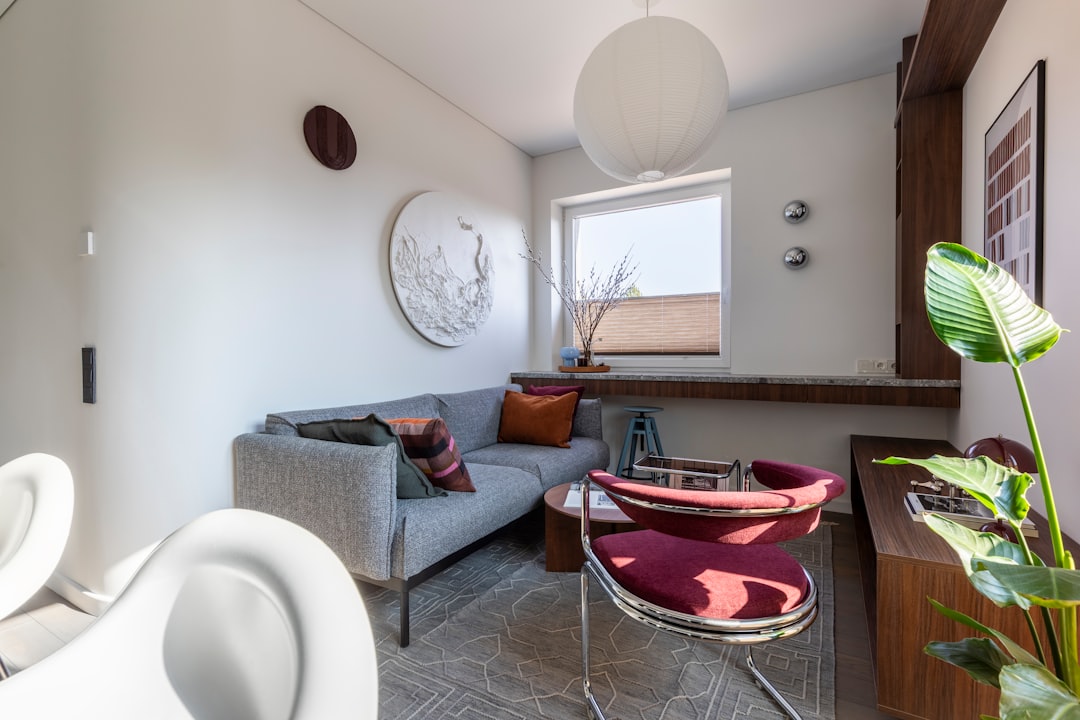
Best Couches for Small Apartments: 7 Current Picks
How we chose: We prioritized current models with compact or configurable sizing, apartment-friendly delivery features, useful multifunctionality, or especially strong space efficiency. We have not personally tested every sofa below, so this is a researched shortlist based on current manufacturer specifications and recent editor-tested small-space sofa coverage. Prices and fabric availability can change, so verify the latest product details before ordering.
1. Crate & Barrel Pacific 66-Inch Apartment Sofa — Best for a Truly Compact Footprint
The Pacific 66-Inch Apartment Sofa is one of the clearest examples of a sofa designed around small-room proportions rather than simply being called a loveseat. Its current listed dimensions are approximately 66 inches wide, 36 inches deep, and 26.5 inches high.
The 36-inch depth is especially useful. Many compact sofas save width but remain very deep, which can still squeeze a narrow living room. The Pacific keeps both width and depth relatively controlled while offering a more conventional sofa form than a tiny settee.
Best for: narrow living rooms, one-bedroom apartments, and shoppers who want a traditional sofa silhouette under 70 inches wide.
Watch for: 66 inches is genuinely compact, so confirm whether two adults can sit the way you expect before choosing this over a 72–80 inch model.
2. Article Sven 72-Inch Loveseat — Best for a Classic Sofa Look in a Smaller Width
The Article Sven 72-Inch Loveseat is approximately 72 inches wide, 38 inches deep, and 34 inches high, with a 24-inch seat depth. It gives you the visual presence of a full sofa while keeping the width manageable.
This is a useful example of why the word loveseat is not enough. At 38 inches deep, the Sven projects farther into the room than the Pacific, so it can work beautifully on a short wall but may feel bulky in a very narrow room.
Best for: apartments where wall width is the main constraint and you still want a deeper, lounge-friendly seat.
Watch for: the deeper footprint. Tape 38 inches out from your wall before ordering.
3. Castlery Mori Single-Arm 2-Seater — Best for an Airier, Open-Ended Look
The Castlery Mori Single-Arm 2-Seater is currently listed around 72.4 inches wide and 45.7 inches deep. The defining feature is the single-arm design, which reduces the visual bulk of a traditional two-arm sofa and can make one side of the room feel more open.
That open-ended silhouette is useful when the sofa sits near a walkway or when you want seating to visually connect with a dining area or window. However, the Mori is quite deep, so it is better suited to a compact but not extremely narrow room.
Best for: open-plan studios or small living rooms where visual openness matters more than minimal depth.
Watch for: the 45.7-inch depth. This is not a shallow apartment sofa.
4. BenchMade Modern The OG Sofa — Best When Standard Sofa Widths Never Fit
The BenchMade Modern OG Sofa stands out because the width is customizable. The manufacturer offers made-to-order sizing in increments rather than forcing you into a small set of standard widths. The standard frame depth is about 37 inches, with a roughly 23-inch seat depth.
This can be valuable when your room has an awkward wall—say 78 inches between a doorway and radiator—where a 72-inch sofa feels too small but an 84-inch sofa blocks circulation.
Best for: awkward room dimensions where a made-to-measure width can use the wall more efficiently.
Watch for: custom furniture is a bigger commitment. Confirm return rules, lead times, access measurements and upholstery choices carefully.
5. Burrow Shift Sleeper Sofa — Best Small-Apartment Sleeper
The Burrow Shift Sleeper Sofa is approximately 84 inches long, 32.5 inches deep, and 33.5 inches high when closed, and it converts into a queen-size sleep surface. Its relatively shallow closed depth is notable because sleeper sofas often become bulky even before the bed is opened.
Current manufacturer details describe a fold-out queen-size sleep surface, while Apartment Therapy highlights the Shift as a compact sleeper option because it avoids the very deep closed footprint of many traditional pull-out sofas.
Best for: studios and one-bedrooms where a guest bed must come from the sofa rather than a separate room.
Watch for: measure the full sleeping footprint and make sure the coffee table can move somewhere practical when the bed is open.
6. Cozey Ciello — Best Modular Option for Apartment Moves and Changing Layouts
The Cozey Ciello is less about one fixed small-sofa size and more about modular flexibility. Current configurations can be assembled in different seat counts and layouts, with removable washable covers and tool-free modularity.
Apartment Therapy’s editor-tested small-space roundup specifically highlights the Ciello’s modular delivery as an advantage in apartments because separate pieces are easier to move through hallways and doorways than a large one-piece sectional.
Best for: renters who expect to move, people with difficult stairs or elevators, and anyone who may reconfigure the sofa later.
Watch for: modular does not automatically mean small. Check the dimensions of your exact configuration rather than assuming every Ciello layout fits a compact room.
7. Floyd Form Sectional — Best for Low-Profile Modular Seating
The Floyd Form Sectional system uses individual modular units that are roughly 34–45 inches wide depending on the piece, around 36.5 inches deep, and 27.4 inches high. The low profile can help preserve sightlines in a compact room.
A current two-seat configuration is around 90 inches wide, so this is not the smallest option in the guide. It belongs here because modular units can make difficult delivery paths easier and because a low, continuous sectional can sometimes seat more people efficiently than a sofa plus multiple chairs.
Best for: wider small living rooms where seating capacity matters more than minimizing width.
Watch for: 90 inches is still substantial. This is a small-space sectional strategy, not a tiny-sofa pick.
Quick Comparison
| Sofa | Approx. width | Approx. depth | Best use |
|---|---|---|---|
| Crate & Barrel Pacific Apartment Sofa | 66 in | 36 in | Very compact living rooms |
| Article Sven Loveseat | 72 in | 38 in | Compact width with deeper lounge comfort |
| Castlery Mori Single-Arm | 72.4 in | 45.7 in | Open-ended visual zoning |
| BenchMade Modern OG | Custom | 37 in | Awkward wall dimensions |
| Burrow Shift Sleeper | 84 in | 32.5 in | Guest bed + sofa |
| Cozey Ciello | Varies | Varies | Modular apartment delivery |
| Floyd Form Sectional | Varies; 2-seat ~90 in | ~36.5 in | Low-profile modular seating |
What Sofa Width Works Best in a Small Apartment?
There is no universal maximum width, but three ranges are useful when you start shopping.
| Width range | Usually works best for | Tradeoff |
|---|---|---|
| 60–69 inches | Very tight rooms, alcoves, small studios | Less lounging room and often only two compact seats |
| 70–79 inches | Many studios and one-bedroom apartments | Usually the best balance of seating and footprint |
| 80–90 inches | Wider small living rooms, sleepers, modular sofas | Can work well, but requires more careful circulation planning |
Do not force yourself under 70 inches simply because your apartment is small. If an 80-inch sofa still leaves a comfortable walkway and eliminates the need for an extra chair, it may use the room more efficiently than a 65-inch loveseat plus additional seating.
Loveseat vs. Apartment Sofa: Which Is Better?
A loveseat is not automatically the best couch for a small apartment. The label describes seating capacity more than space efficiency. Some loveseats have thick rolled arms and deep frames that make them nearly as bulky as a compact sofa.
Compare the outside width to the usable seat width. A 70-inch sofa with slim arms may offer significantly more seating than a 67-inch loveseat with oversized arms.
Loveseat: check whether thick arms waste width.
Apartment sofa: check whether depth is controlled as well as width.
Sectional: check whether it replaces extra chairs.
Sleeper: check the fully open footprint.
Modular sofa: check the exact configuration, not the collection name.
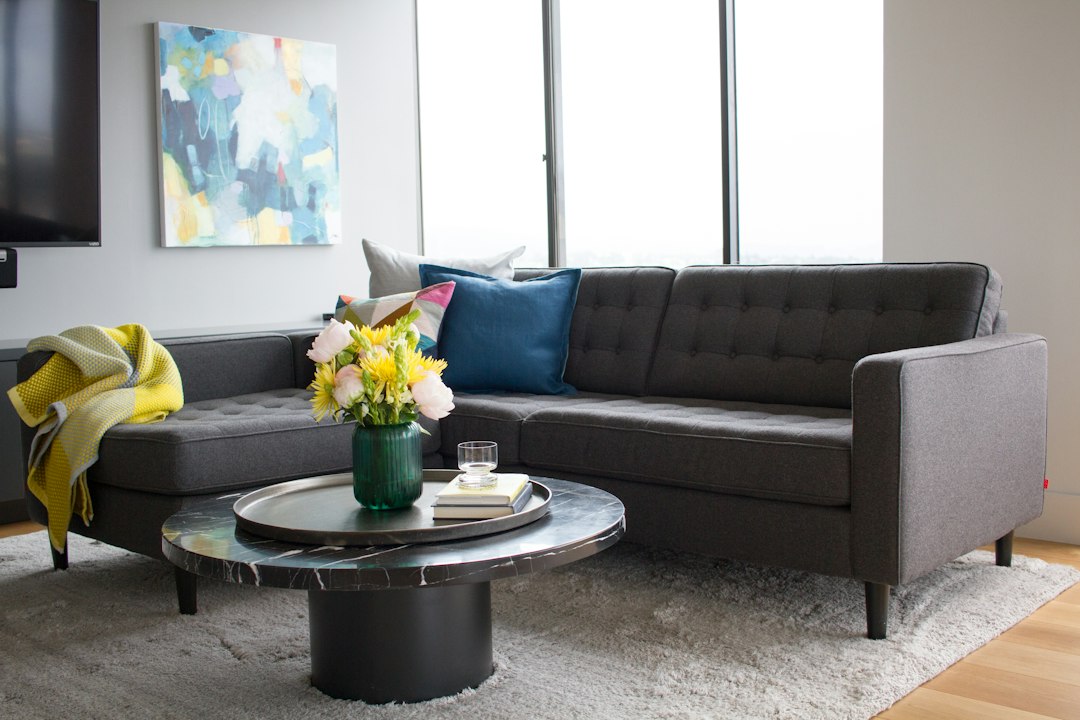
Can a Sectional Work in a Small Apartment?
Yes. Architectural Digest’s 2026 small-sectional guide notes that designers sometimes prefer a compact sectional because it can maximize seating while following the perimeter of the room. A small sectional may use a corner more efficiently than a sofa plus two chairs.
The key is choosing the sectional because the room shape supports it—not because a chaise looks comfortable online. Measure the full return or chaise length and confirm it does not cut across the main walking route.
A sectional is worth considering when:
- one corner is otherwise difficult to use;
- you need seating for three or four people regularly;
- the sectional replaces at least one extra chair;
- the chaise runs along a wall rather than across the room;
- the pieces arrive separately or can be disassembled for delivery.
Skip the sectional when:
- the chaise blocks the balcony, kitchen or entry path;
- you move frequently and the configuration is not reversible;
- the room needs flexible furniture placement;
- you are buying it only because the room has an empty corner.
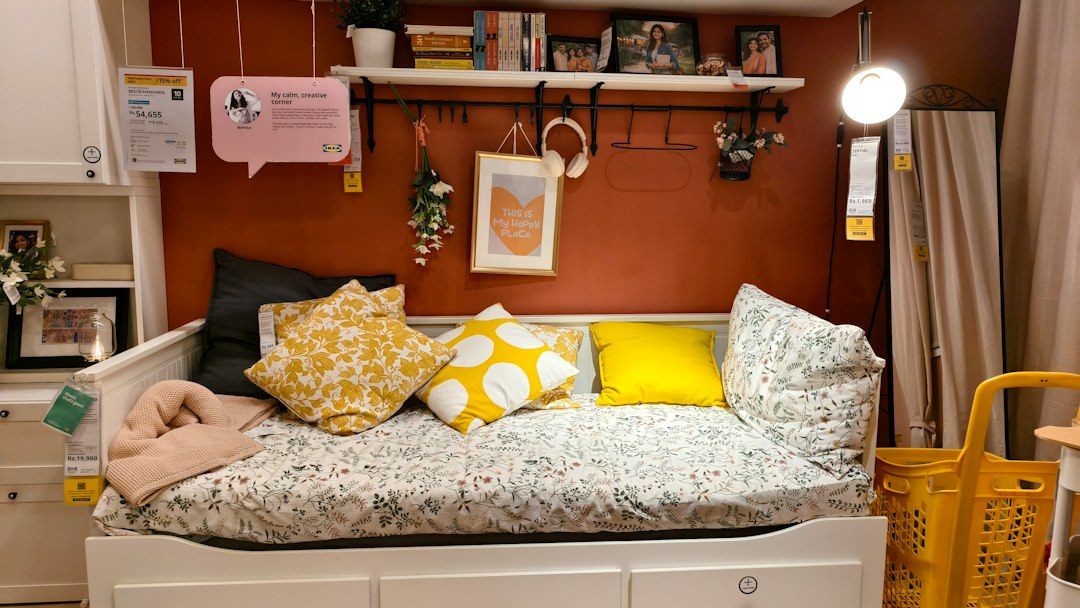
When Is a Sleeper Sofa Worth It?
A sleeper sofa is valuable when the second function replaces a real piece of furniture. In a studio, a sleeper may eliminate the need for a guest bed. In a one-bedroom apartment, it may make occasional visitors possible without storing an air mattress.
But sleeper mechanisms add weight and can add bulk. House Beautiful’s current small-space sleeper coverage emphasizes that this category needs more careful selection because the sofa has to succeed both as everyday seating and as a bed.
Before buying, measure where the coffee table, ottoman or side tables will go when the bed opens. If conversion requires moving half the room every time, the sleeper function may be less useful than it seems.
How Deep Should a Sofa Be for a Small Living Room?
Depth deserves the same attention as width. A couch around 34–38 inches deep is often easier to place in a narrow room than a 42–46 inch lounge sofa. But shallow is not automatically better: taller people and people who like to curl up may prefer a deeper seat.
Separate overall depth from seat depth. Overall depth determines how much room the sofa consumes. Seat depth determines how your body sits. Thick back cushions can create a large overall depth without giving you an especially deep usable seat.
Sofa Features Worth Paying For in a Small Apartment
Removable legs
Removing a few inches of height can be the difference between clearing a doorway and returning the sofa. Verify whether legs detach easily before delivery.
Modular construction
Separate seat modules are easier to carry through narrow stairs and elevators and can adapt when you move.
Slim arms
Every inch spent on an arm is an inch not available for seating. Slim arms are one of the simplest ways to increase usable seat width.
Washable or durable upholstery
In a small apartment, the sofa often gets heavy daily use. Performance fabrics or removable covers can be more useful than decorative upholstery that needs delicate care.
Reversible or movable chaise
If you rent or expect to move, a fixed left- or right-facing chaise can become difficult in the next apartment. Reversible or modular layouts reduce that risk.
Three Real Small-Apartment Sofa Scenarios
A 350-square-foot studio with one main wall
Start in the 66–75 inch range. A compact sofa such as the Pacific or Sven can create a proper living zone without turning the sofa into the entire room. If you host overnight guests, compare that footprint with the Burrow Shift before adding a separate guest solution.
A narrow one-bedroom with an 80-inch sofa wall
Do not buy an 80-inch sofa automatically. Leave tolerance around the furniture and check whether arms sit near door trim, radiators or outlets. A 72-inch sofa with slim arms may feel more comfortable than an exact-width fit that makes the wall look jammed.
A walk-up with tight stairs and a decent-size living room
Delivery access may be the limiting factor rather than room size. Prioritize modular or easily disassembled models such as the Ciello or another boxed modular sofa, and measure the stair turn before you fall in love with a one-piece frame.
The 10-Minute Sofa Test Before You Order
- Tape the sofa’s full width and depth on the floor.
- Sit a dining chair or temporary seat inside the taped footprint.
- Walk from the entry to the kitchen, bedroom and window several times.
- Open nearby doors, drawers and cabinets fully.
- Measure the remaining walkway at its narrowest point.
- Mark the chaise or sleeper footprint if the sofa transforms.
- Confirm the narrowest delivery-path width.
- Check the sofa’s boxed or module dimensions.
- Decide where side tables and the coffee table will go.
- Wait one evening before ordering and see whether the taped footprint still feels comfortable.
Small-Space Sofa Mistakes to Avoid
- Buying a loveseat only because the word sounds smaller. Compare actual dimensions.
- Measuring only the wall. Delivery access matters just as much.
- Ignoring depth. A deep sofa can choke a narrow room.
- Choosing a fixed chaise without planning for the next apartment.
- Buying a sleeper without measuring the open bed.
- Adding a tiny sofa plus several extra chairs. One slightly larger sofa can sometimes use less floor area overall.
- Prioritizing storage features over comfort. Hidden storage is not useful if the sofa is unpleasant to sit on.
What Should You Spend More On?
Spend more where you feel the difference daily: frame stability, cushion comfort, upholstery durability, and the exact dimensions that make the room work. Custom width or modular delivery can also be worth paying for when standard sofas consistently fail your measurements.
You can often save on decorative extras such as specialty legs, designer pillows, or premium upholstery upgrades if the base fabric is already durable enough for your household.
Frequently Asked Questions
What is a good couch size for a small apartment?
Many small apartments work well with sofas roughly 66–84 inches wide, but room shape matters more than a single number. Compare depth, arm width and circulation space as carefully as overall width.
Is a 72-inch sofa too big for a small apartment?
Not necessarily. A 72-inch sofa is a common sweet spot for small living rooms because it can provide real seating while remaining significantly shorter than a standard 84–96 inch sofa. Depth and walkway clearance still matter.
Are loveseats better than sofas for small apartments?
Only when their actual dimensions are better for the room. Some loveseats have wide arms and deep frames that waste space. A slim-arm apartment sofa can provide more seating with only a few extra inches of width.
Can you put a sectional in a small apartment?
Yes. A compact sectional can work very well when it follows the room perimeter and replaces extra chairs. Avoid a chaise that crosses the main circulation route.
What sofa color makes a small room look bigger?
Color matters less than scale, layout and visual weight. Light upholstery can feel airy, but a darker compact sofa can also work if the room has good light and the rest of the layout is uncluttered. Choose a color you can live with rather than treating white or beige as mandatory.
Should I buy a sleeper sofa for a studio apartment?
A sleeper can be a strong choice if you host guests and it replaces another sleeping solution. Measure the full open footprint and make sure conversion does not require moving most of the room.
The Bottom Line
The best couches for small apartments earn their footprint. Start with exact room and delivery measurements, compare depth as carefully as width, and choose the sofa type that solves the biggest daily problem: compact seating, guest sleeping, modular delivery, or higher seating capacity.
If you still need help with the rest of the room, see our small apartment furnishing guide, studio apartment layout ideas, and small apartment decorating ideas.