
When shopping for ways to make your tissue boxes look better, you’ll quickly encounter two different types of products: fabric tissue box covers and hard material tissue box holders. Both serve the same basic purpose—making your tissue boxes look more attractive—but they achieve this goal in fundamentally different ways. Understanding these differences helps you make the right choice for your home, your style, and your lifestyle.
This guide explains exactly what tissue box covers and tissue box holders are, compares them across the dimensions that matter most, and helps you decide which type belongs in your space.
What Exactly Is a Tissue Box Cover?
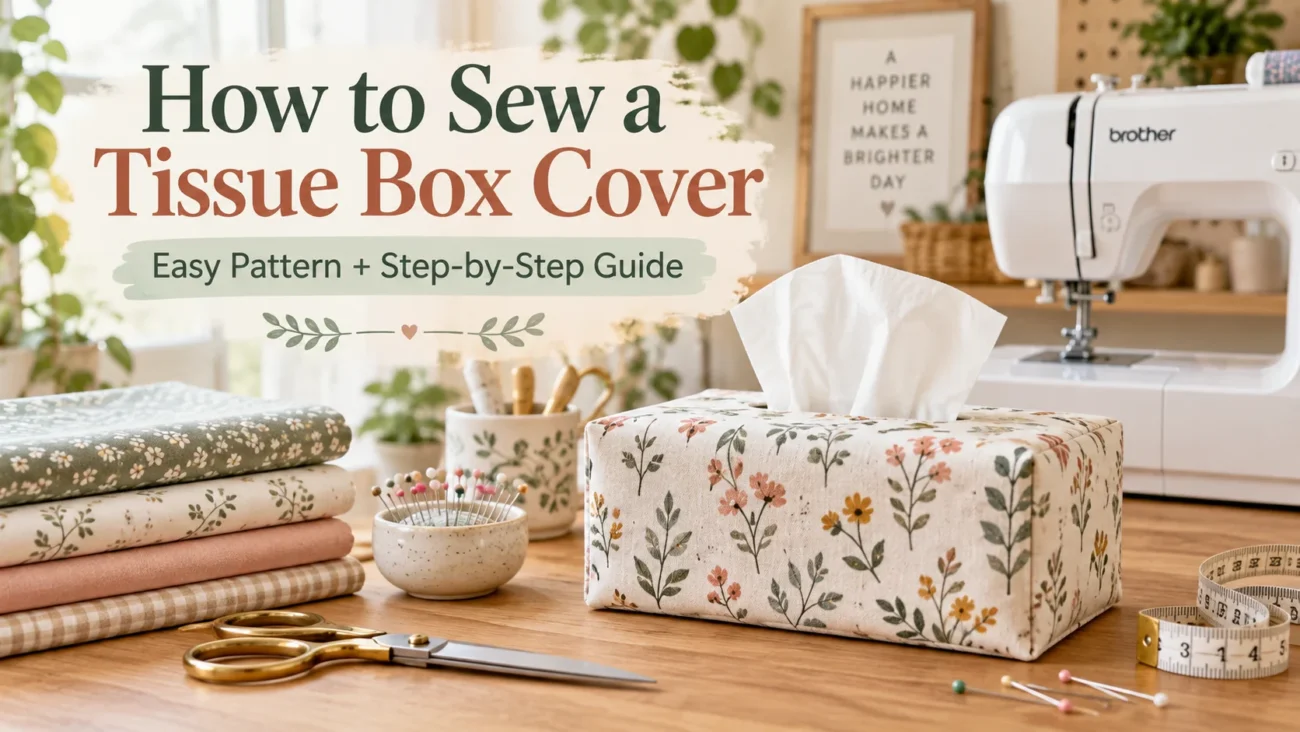
A fabric tissue box cover is a soft, flexible shell designed to slip over your existing tissue box like a sock or sleeve. Think of it as clothing for your tissue box—the original cardboard or plastic packaging stays intact inside, and the fabric cover simply wraps around the exterior.
Tissue box covers typically feature an opening at the top where tissues dispense through, and an expandable body that accommodates standard tissue box dimensions. The fabric construction allows for a comfortable, flexible fit that hugs the underlying box shape. Most fabric covers use closures like elastic bands, Velcro strips, or button systems to keep the cover securely in place.
The primary appeal of fabric tissue box covers lies in their textile warmth and design versatility. Fabric brings softness and coziness to spaces, creating visual and tactile comfort that hard materials cannot replicate. These covers also offer enormous variety in patterns, colors, and textures, making it easy to find options that complement any decor style from minimalist modern to cozy cottagecore.
Tissue box covers represent a more affordable way to dress up your tissue boxes, typically ranging from ten to thirty dollars depending on quality and design complexity. They work particularly well in living rooms, bedrooms, and other spaces where softness and warmth contribute to the overall atmosphere.
What Exactly Is a Tissue Box Holder?
A tissue box holder is a rigid container designed to hold and display tissue boxes, functioning more like a display stand or vase than a garment. Unlike covers that wrap around the original box, holders are independent structures that your tissue box sits inside or rests upon.
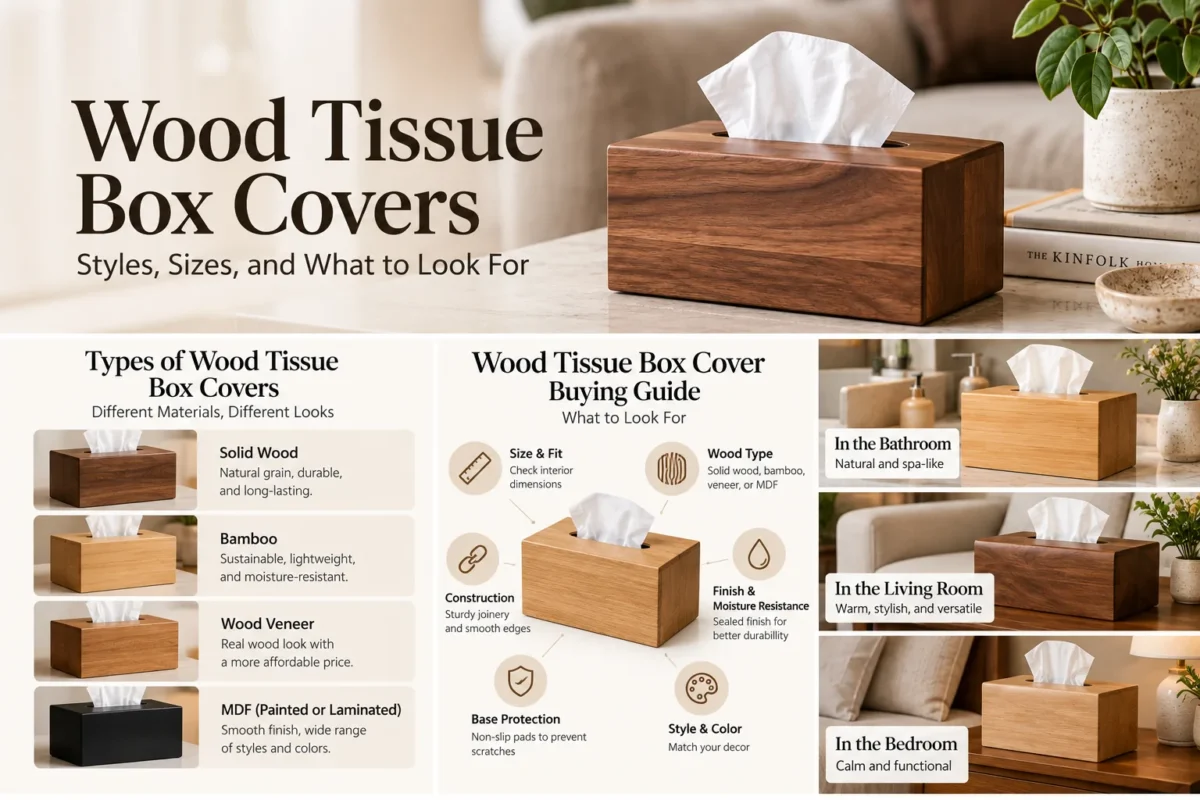
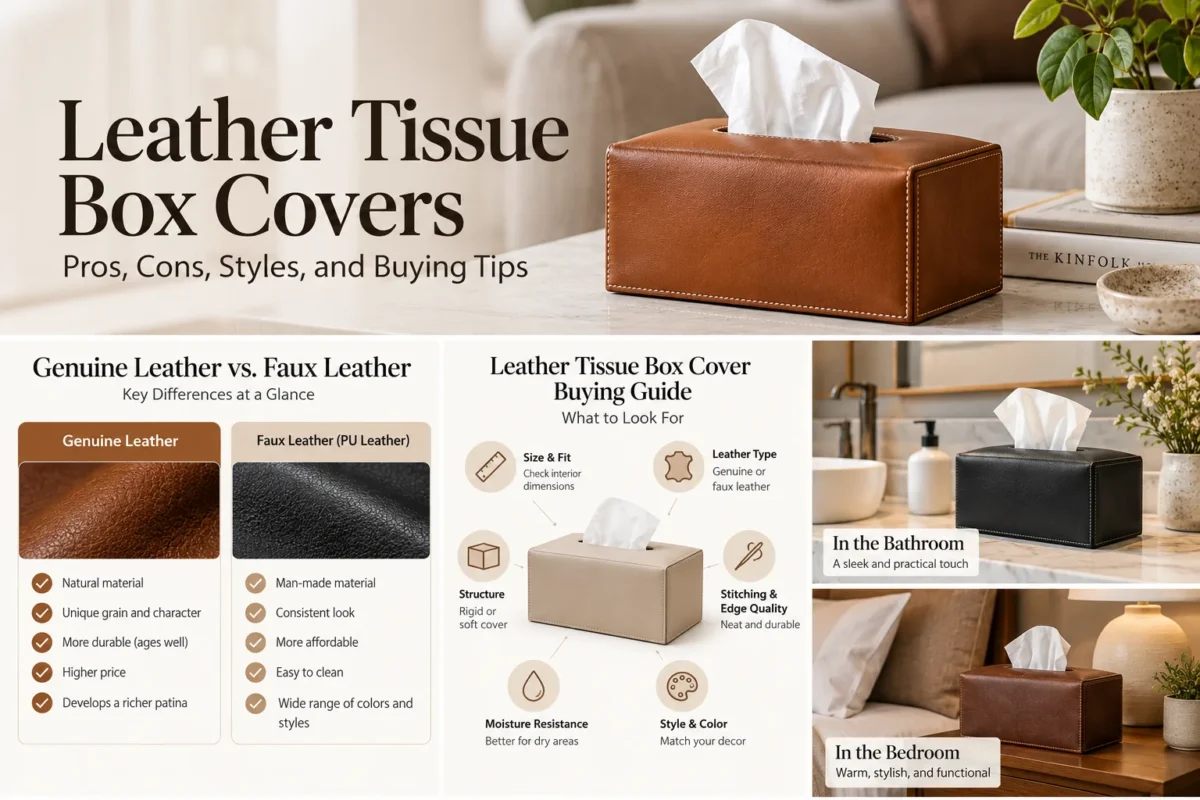
Tissue box holders come in countless materials and styles. Hard materials dominate this category: bamboo, wood, ceramic, acrylic, metal, and various synthetic materials all create distinct aesthetic and functional experiences. Each material brings its own character, maintenance requirements, and price point to the equation.
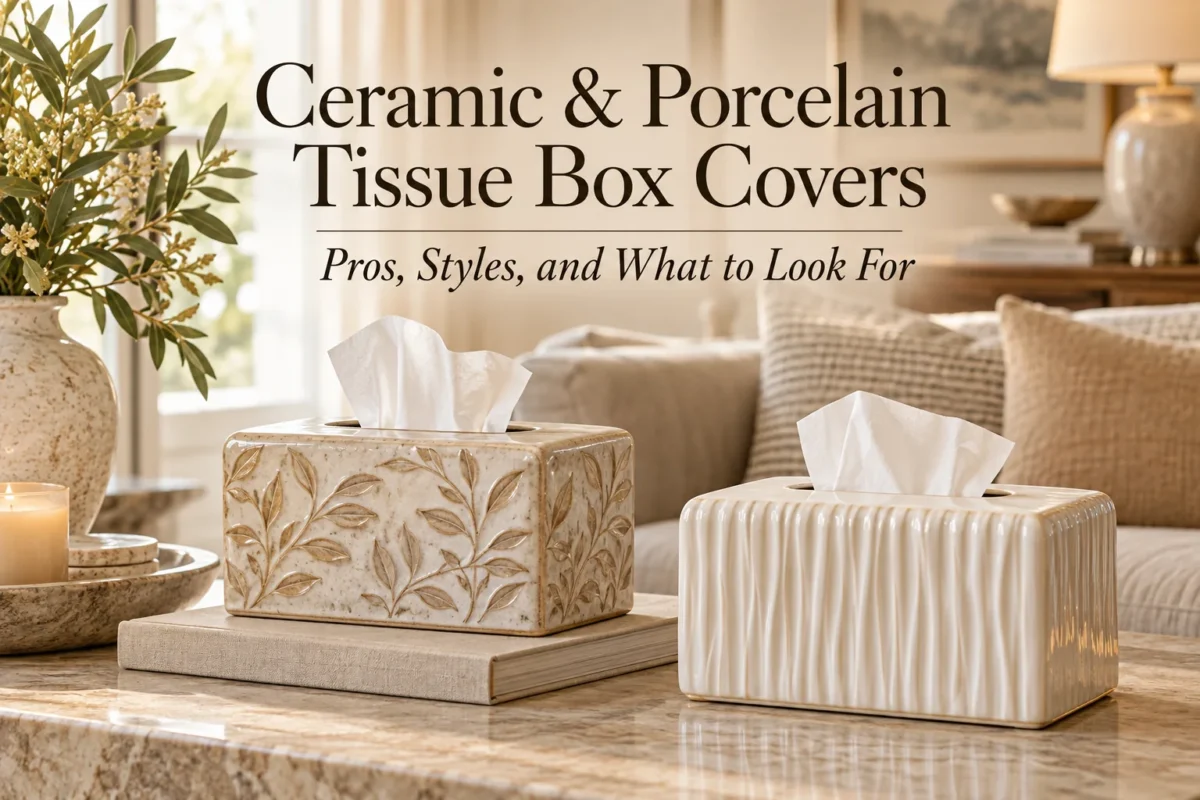
The appeal of hard material holders often centers on durability, artistic expression, and statement-making potential. Ceramic holders in particular can serve as sculptural art pieces, while bamboo and wood options bring natural, organic beauty into spaces. These holders often cost more than fabric alternatives, with prices spanning from fifteen dollars for basic acrylic pieces to over one hundred dollars for artisan ceramic creations.
Hard material holders work well in spaces where durability matters and where the holder itself can contribute to the room’s decorative impact. Kitchens, bathrooms, and formal living spaces often suit these pieces particularly well.
Quick Comparison at a Glance
| Feature | Fabric Tissue Box Covers | Hard Material Tissue Box Holders |
| Primary Materials | Cotton, linen, polyester blends | Bamboo, wood, ceramic, acrylic, metal |
| How It Works | Wraps around the tissue box | Tissue box sits inside or on top |
| Flexibility | Accommodates slight size variations | Fixed dimensions, specific fit required |
| Tactile Feel | Soft, warm, inviting | Varies by material (cool, smooth, natural) |
| Design Variety | Extensive patterns, colors, textures | Focus on material beauty and form |
| Aesthetic | Cozy, approachable, textile warmth | Artistic, sculptural, statement-making |
| Maintenance | Regular washing required | Simple wiping with damp cloth |
| Odor Resistance | May absorb cooking/smoke odors | Generally odor-resistant |
| Durability | Gradual wear, easy to replace | Long-lasting but can chip or crack |
| Pet-Friendly | Excellent—no sharp edges | Varies; some materials fragile |
| Child-Friendly | Very good—soft if dropped | May break or create sharp edges |
| Bathroom Suitability | Requires ventilation | Generally suitable |
| Kitchen Suitability | Needs frequent washing | Recommended for cooking odors |
| Price Range | $10–$30 | $15–$150+ |
| Lifespan | 2–5 years with care | 10+ years with proper care |
| Update Frequency | Easy to refresh seasonally | Long-term commitment |
| Storage/Space Needs | Foldable, minimal space | Requires display space |
Direct Comparison Across Key Dimensions
Understanding how fabric covers and hard holders differ across practical dimensions helps you make informed decisions for each space in your home.
Aesthetics and Style Impact
Fabric tissue box covers bring warmth, softness, and approachable elegance to any space. The textile quality creates visual comfort and allows for endless pattern possibilities—florals, geometrics, solids, textures, and holiday-themed designs all work beautifully in fabric form. A fabric cover can make a utilitarian object feel intentional and designed, without appearing precious or untouchable.
Hard material holders project different aesthetic values depending on their material. Bamboo and wood bring natural, organic warmth with their grain patterns and earth tones. Ceramic offers artistic, sculptural presence that can serve as a true decorative statement. Acrylic provides clean, modern minimalism that disappears into contemporary spaces. Metal introduces industrial edge or elegant refinement depending on the design.
Neither aesthetic is objectively better—the right choice depends entirely on your existing decor and desired atmosphere. A minimalist Scandinavian living room might suit a sleek bamboo holder beautifully but reject a heavily patterned fabric cover. Conversely, a cozy cottagecore bedroom might embrace a floral fabric cover while finding hard material holders too cold or formal.
Functionality and Practicality
Fabric covers and hard holders each offer distinct functional advantages worth considering.
Fabric covers excel in flexibility and variety. The soft construction means fabric covers work in spaces where hard objects might be problematic—on delicate surfaces, in children’s rooms, or in areas where the occasional bump or drop is likely. Fabric also accommodates slight variations in tissue box dimensions more easily than rigid holders.
However, fabric covers require more maintenance than hard materials. They collect dust, absorb odors, and may need washing periodically, particularly in kitchens where cooking aromas can penetrate fibers. In humid environments like bathrooms without excellent ventilation, fabric may require more attention to prevent mustiness.
Hard material holders generally clean more easily—most simply require wiping with a damp cloth. They don’t absorb odors and resist staining better than fabric. However, hard materials can scratch surfaces, chip or crack if dropped, and generally offer less flexibility in terms of fitting different tissue box sizes.
Consider how each room’s conditions match each product type’s strengths. A busy family kitchen with cooking aromas might benefit from easy-clean ceramic or acrylic holders, while a rarely-used formal living room could showcase delicate fabric covers beautifully.
Durability and Longevity
The lifespan story differs significantly between product types.
Fabric covers typically show wear over time through fading, pilling, fiber breakdown, and gradual loss of shape. However, this aging is usually gradual rather than sudden, and well-made fabric covers can maintain their appearance for several years with proper care. The eventual replacement is typically affordable, making fabric covers a renewable accessory that allows you to update your look periodically without major expense.
Hard material holders generally last longer in terms of physical durability, though this varies by material. Quality ceramic, properly cared for, can last decades, while lower-quality acrylic may scratch, cloud, or crack within years. Bamboo and wood can last very long lives when protected from excessive moisture and direct sunlight, but neglect can lead to warping, cracking, or other damage.
The trade-off isn’t simply durability versus disposability though. Fabric covers offer the advantage of easy updating—replace a worn cover with a fresh new one that matches your evolved taste. Hard material holders commit you to a more permanent aesthetic choice, though this can also be seen as a benefit if you prefer consistency.
Price and Value Considerations
Fabric tissue box covers generally fall in the more affordable range, typically between ten and thirty dollars for quality options. This accessibility makes it easy to collect multiple covers for different rooms, seasons, or moods without significant investment. The lower price point also means replacing worn covers isn’t painful financially.
Hard material holders span a much wider price range. Simple acrylic or basic bamboo holders might cost fifteen to thirty dollars, similar to fabric options. However, artisan ceramic pieces, exotic wood holders, or designer acrylic pieces can cost fifty to one hundred fifty dollars or more. The higher investment often reflects better craftsmanship, more interesting designs, or premium materials.
Consider both your budget and your philosophy around home accessories. Those who enjoy regularly refreshing their decor might prefer investing in affordable fabric covers, while those preferring to “buy once, cry once” might appreciate the longevity of quality hard material holders.
Maintenance Requirements
The care required for each product type influences both your satisfaction and your ongoing effort.
Fabric covers need periodic washing to maintain their appearance. Most fabric covers can be hand-washed or machine-washed on gentle cycles, though specific care instructions vary by material and construction. Between washings, fabric covers benefit from regular light cleaning with a lint roller or the upholstery attachment on your vacuum.
Some fabric covers can feel demanding in households with strong cooking aromas, smokers, or pets that contribute dander and odors. In these environments, fabric covers may require more frequent washing than in cleaner households.
Hard material holders typically require only occasional wiping with a damp cloth. No special products or processes are usually needed, though specific materials may have particular requirements. Unsealed wood might benefit from occasional oil treatment. Ceramic with crazing or hairline cracks might require attention to prevent staining or worsening. However, general maintenance remains simpler than fabric care for most hard holders.
Room-by-Room Recommendations
Different spaces in your home have different requirements that might favor one product type over another.
Living Rooms often welcome fabric tissue box covers for their warmth and approachability. These social spaces benefit from the cozy atmosphere fabric creates, and the variety available makes it easy to match your existing textiles and accessories.
Bedrooms similarly favor fabric’s soft, restful qualities. A fabric cover in calming colors or textures contributes to the bedroom’s relaxation mission without introducing cold or formal energy.
Kitchens present challenges for fabric covers—cooking odors, grease particles, and humidity can affect fabric more than hard materials. Consider hard material holders for kitchen tissue boxes, particularly in households that cook frequently or feature strong cuisines.
Bathrooms with high humidity similarly challenge fabric, which may absorb moisture and develop mustiness over time. Well-ventilated bathrooms might accommodate fabric, but others benefit from ceramic, bamboo, or acrylic holders that resist moisture-related issues.
Home Offices and Studios might suit either product type depending on your overall aesthetic. A minimalist modern office could appreciate a clean acrylic holder, while a creative studio with textile elements might welcome a patterned fabric cover.
Children’s Spaces benefit from fabric’s forgiving nature. Kids bump things, drop things, and handle objects roughly—fabric covers handle this treatment better than fragile ceramic and don’t create sharp edges if broken.
Making Your Decision
Choosing between fabric tissue box covers and hard material tissue box holders doesn’t require committing to one type for your entire home. Many households successfully use both, selecting each based on the specific requirements of individual spaces.
Consider these questions when making your choice for each room:
What is the overall aesthetic of this space? Warm, cozy, and textile-rich environments often suit fabric. Clean, modern, or formal spaces might prefer hard materials.
How much maintenance am I willing to provide? Honest self-assessment matters here. Beautiful fabric covers that never get washed become unpleasant rather than decorative. Easy-care hard holders that rarely get wiped down accumulate dust rather than adding charm.
What is my budget for this item? Quality options exist across price ranges, but understanding your spending comfort helps narrow choices.
How long do I want this item to last? Fabric offers easy updating; hard materials offer permanence.
Are there any specific household challenges? Cooking households, humid bathrooms, or homes with young children all present considerations that might favor one type over another.
Frequently Asked Questions
Can I use fabric covers in my bathroom?
Yes, though bathrooms with high humidity require attention to ventilation and may need more frequent washing or replacement than in drier spaces. Choose darker colors or patterns that hide any moisture-related issues, and ensure your bathroom has adequate airflow.
Do hard material holders fit all tissue box sizes?
Hard holders typically accommodate standard tissue box dimensions, but variations exist. Before purchasing, measure your tissue boxes and check product specifications. Some holders are designed specifically for square or rectangular boxes.
Which type is better for households with pets?
Fabric covers generally fare better in pet households. Fabric doesn’t show claw marks, doesn’t create sharp edges if knocked off surfaces, and can be easily washed to remove pet hair and odors. Choose washable fabrics for easiest maintenance.
Can I mix both types in my home?
Absolutely. Many households use fabric covers in living rooms and bedrooms while preferring hard holders in kitchens and bathrooms. Each space has its own requirements, and your home should reflect that reality.
How often should I replace fabric tissue box covers?
Replacement timing depends on wear, care, and your personal standards. Some people replace covers yearly; others keep quality covers for several years. Watch for signs of wear like pilling, fading, permanent odors, or loss of shape, and replace when covers no longer bring you satisfaction.
Discover Fabric Tissue Box Covers at Tidbit Living
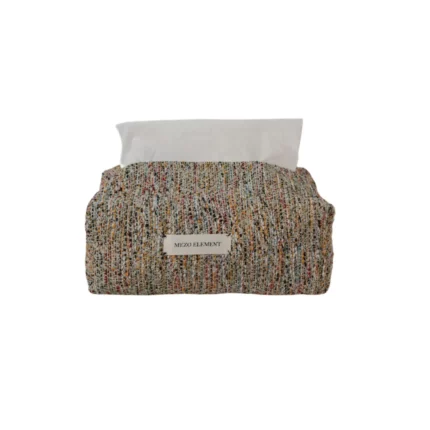
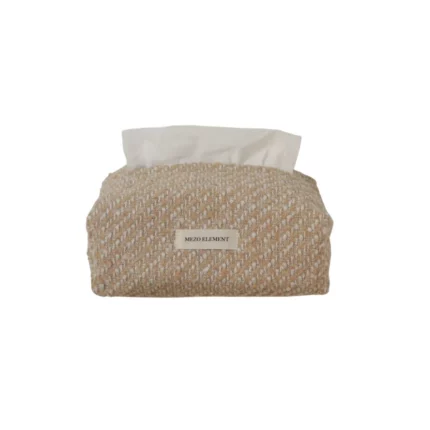
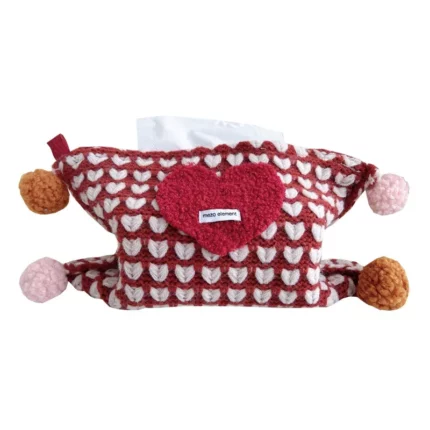
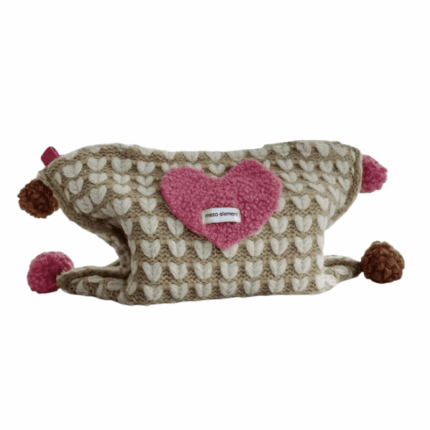
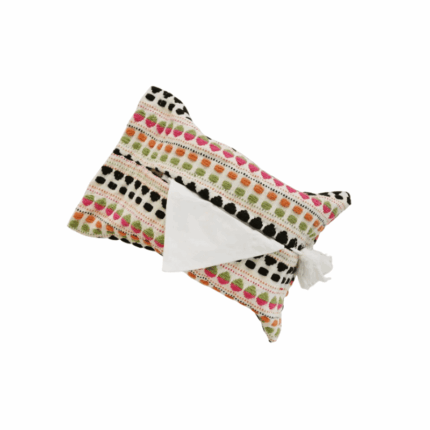
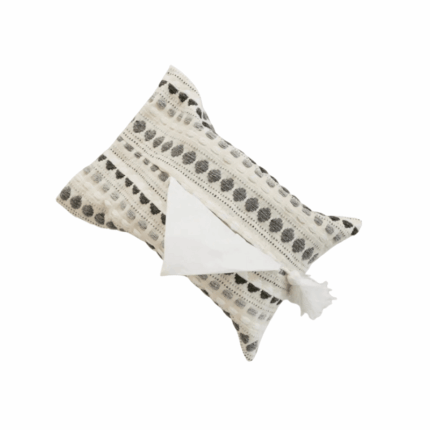
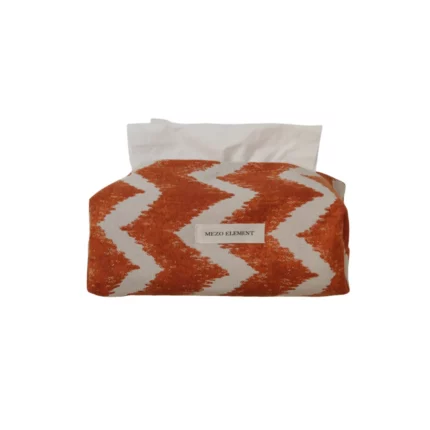
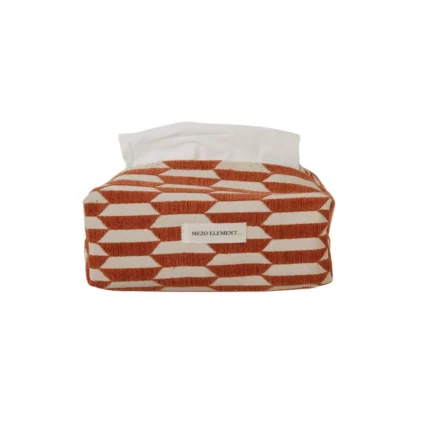
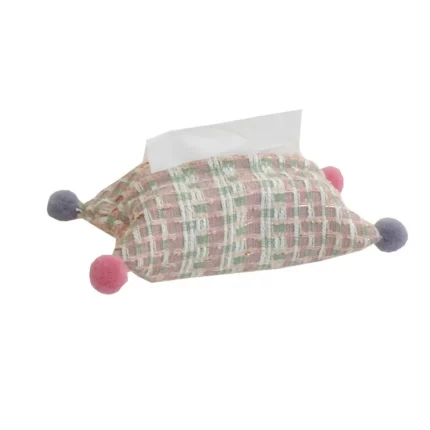
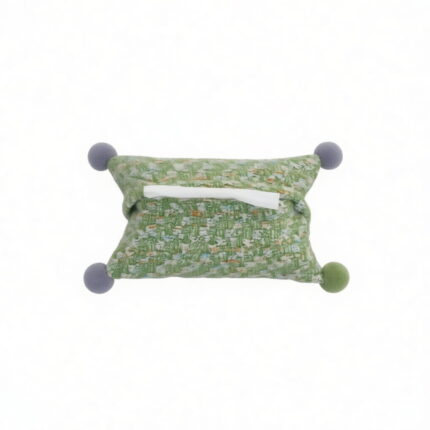
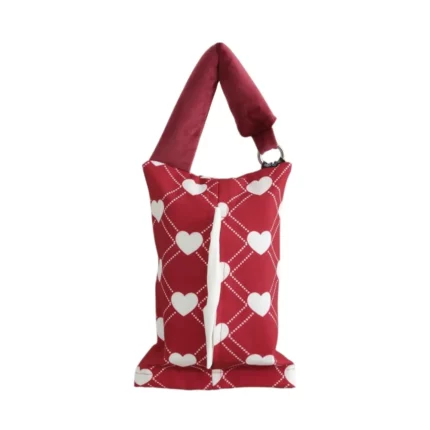
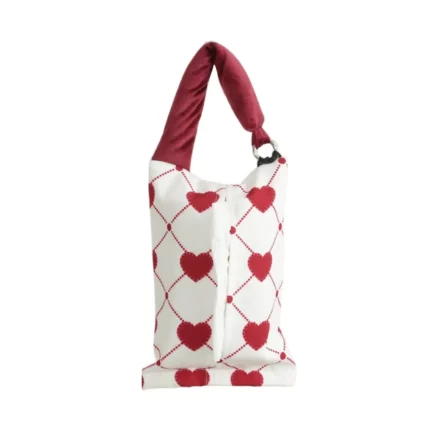
Now that you understand the differences between fabric covers and hard material holders, you’re equipped to choose confidently for each space in your home.
At Tidbit Living, we specialize in premium fabric tissue box covers designed to bring warmth, style, and everyday joy into your living spaces. Our collection features quality cotton linen, soft knits, and beautiful woven textures in designs that complement both cozy and modern aesthetics.
Explore our range to find fabric covers that transform your tissue boxes from mundane necessities into intentional decorative elements.